The Hidden Revolution
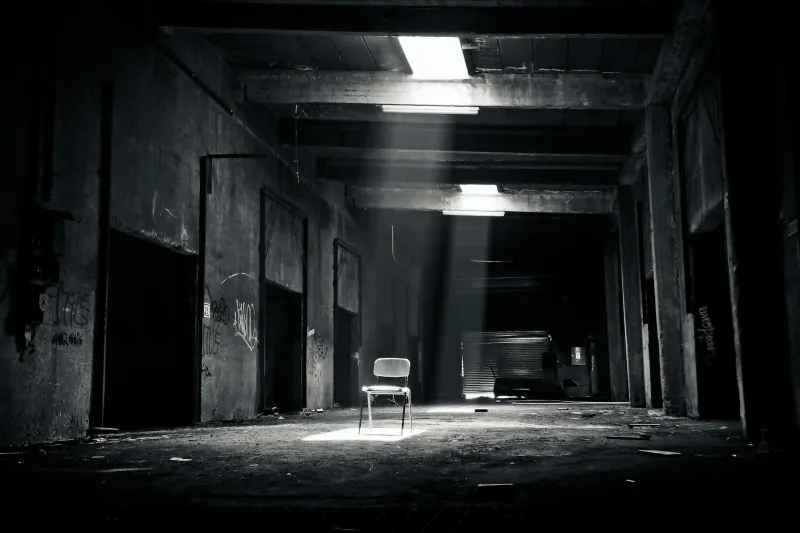
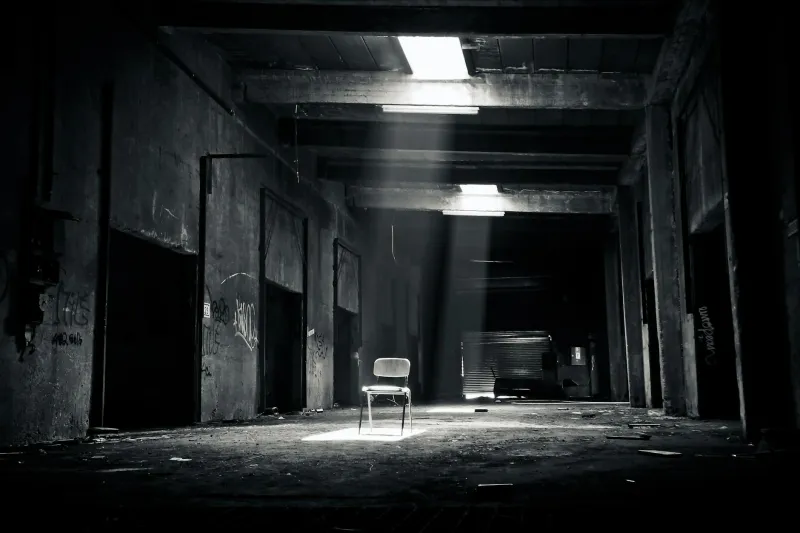
Beneath the surface of Britain's cultural landscape, a quiet insurrection is unfolding. In converted warehouses across Manchester's Northern Quarter, aboard moored narrowboats on London's Regent's Canal, and within the crumbling grandeur of Victorian swimming baths in Glasgow, a network of passionate film devotees is orchestrating something extraordinary. These are not your typical cinema operators—they are cultural alchemists, transforming derelict spaces into sacred temples of moving image art.
The phenomenon extends far beyond mere nostalgia for the communal viewing experience. These guerrilla cinema collectives represent a fundamental rejection of the algorithmic isolation that defines contemporary media consumption. Where streaming platforms fragment audiences into individual bubbles of predictable content, these underground venues forge genuine communities united by shared discovery and collective wonder.
Reclaiming Abandoned Architecture
Consider the case of Projection Collective, operating from a former textile mill in Hebden Bridge. Every fortnight, founder Sarah Chen transforms the cavernous space into an intimate screening room, complete with vintage projection equipment salvaged from demolished cinemas. The audience—rarely exceeding fifty souls—gathers on repurposed church pews and Persian rugs, creating an atmosphere more akin to a spiritual gathering than a commercial entertainment venture.
"We're not competing with Vue or Odeon," Chen explains, adjusting the focus on her 16mm projector. "We're offering something they cannot—genuine curation, meaningful context, and the irreplaceable magic of celluloid grain dancing across a physical screen."
Similar operations have emerged across the nation. In Edinburgh, the Phantom Reel Society occupies different abandoned buildings each month, their locations revealed only through cryptic social media posts and word-of-mouth networks. Birmingham's Canal Cinema literally floats, screening films from the deck of a converted cargo barge that navigates the city's waterways.
The Curatorial Rebellion
What distinguishes these venues from conventional art-house cinemas is their fearless programming philosophy. Freed from commercial pressures and distribution constraints, these curators present films that mainstream exhibitors consider unmarketable: three-hour Soviet epics, experimental works by contemporary artists, and restored prints of films deemed too controversial or challenging for general release.
The programming often reflects Britain's complex cultural moment. Recent screenings have included a season of films by displaced Middle Eastern directors, retrospectives of working-class British cinema from the 1960s, and contemporary works exploring themes of environmental collapse and social inequality. These are not passive entertainment experiences but active cultural dialogues.
James Morrison, who operates the Invisible Cinema from a disused Victorian swimming pool in Liverpool, describes his programming philosophy as "archaeological." He explains: "We're excavating films that have been buried by the commercial system—not just forgotten classics, but contemporary works that challenge audiences to think differently about the world we inhabit."
Community as Resistance
The social dimension of these venues cannot be overstated. Unlike the anonymous darkness of multiplex auditoriums, these spaces foster genuine interaction. Screenings are preceded by discussions, followed by debates that often continue in nearby pubs until closing time. Regular attendees form lasting friendships, united by their shared commitment to cinema as an art form rather than mere entertainment.
This community aspect represents a form of cultural resistance against the atomisation of digital media consumption. Where streaming algorithms predict and reinforce existing preferences, these communal experiences introduce audiences to challenging, transformative works they would never encounter otherwise.
The demographic diversity of these audiences challenges stereotypes about art-house cinema appealing only to metropolitan elites. Factory workers attend alongside university lecturers, teenagers share insights with pensioners, and the conversations that emerge reflect Britain's genuine cultural complexity rather than its media-manufactured divisions.
The Future Underground
As these networks mature, they face inevitable tensions between growth and authenticity. Some venues have attracted attention from local councils and property developers, threatening their precarious existence in liminal spaces. Others grapple with questions of accessibility—both physical and cultural—as their reputation spreads beyond core communities.
Yet their influence extends far beyond their immediate audiences. Several mainstream venues have begun adopting elements of the underground approach: more adventurous programming, pre-screening discussions, and emphasis on communal experience over individual consumption.
The phantom projectionists represent more than a nostalgic return to cinema's past—they embody a vision of cultural engagement that prioritises depth over breadth, community over isolation, and artistic integrity over commercial viability. In their converted mills and floating screens, they are not merely showing films but demonstrating alternative ways of experiencing art, building community, and resisting the homogenising forces of global media culture.
As Britain's cultural landscape continues evolving, these underground venues serve as vital laboratories for reimagining how art can function in contemporary society—not as commodity but as catalyst for genuine human connection and transformative experience.