The Sacred Geometry of Fermentation
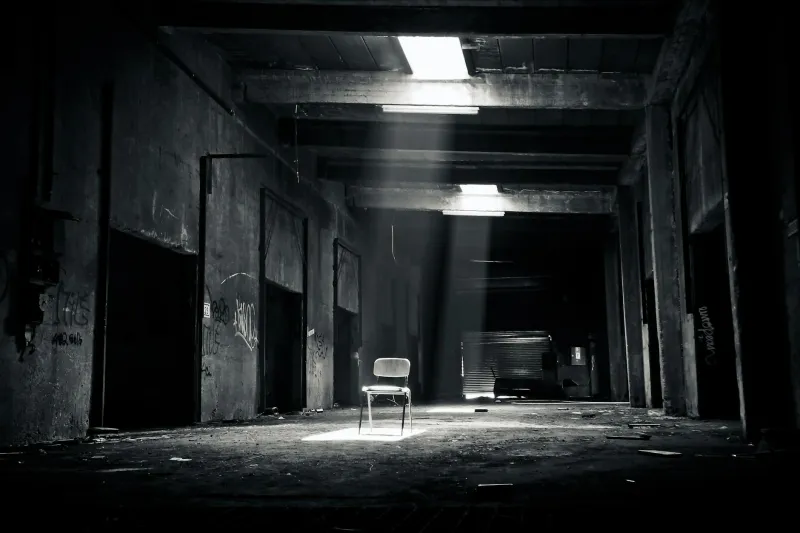
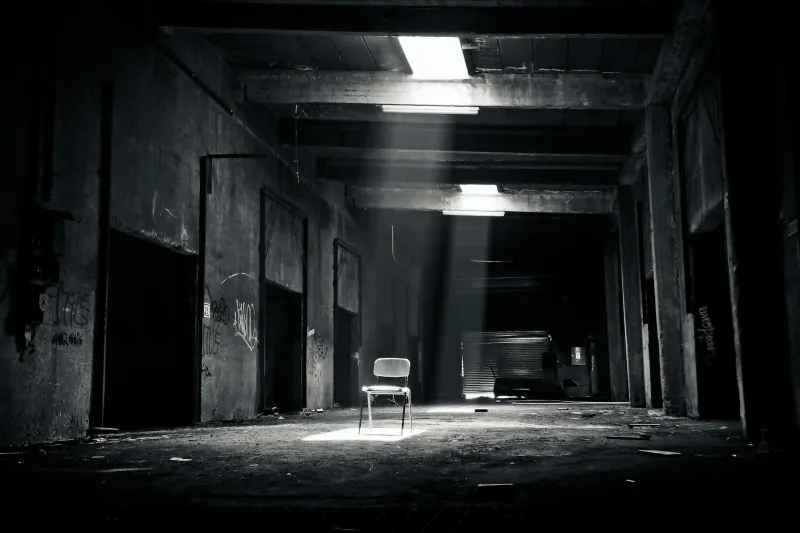
In the shadow of Manchester's industrial quarter, where Victorian brick meets contemporary ambition, the Thornfield Brewery stands as testament to an extraordinary cultural metamorphosis. What once housed copper vessels bubbling with ale now resonates with the carefully orchestrated chaos of experimental jazz, whilst towering fermentation tanks provide the backdrop for immersive video installations that pulse with the rhythm of modern Britain.
This is not merely adaptive reuse—it represents a fundamental reimagining of how cultural spaces emerge organically from our industrial heritage. The movement sweeping across Britain's forgotten brewing landscapes suggests that the most authentic cultural venues are not purpose-built temples to the arts, but rather spaces where creation has always occurred, where the alchemy of transformation has been practised for generations.
The Curators of Copper and Culture
Sarah Chen, artistic director of the Thornfield collective, speaks with the measured precision of someone who understands both the science of brewing and the unpredictable nature of cultural programming. "The parallels between fermentation and artistic development are profound," she explains, gesturing towards the original copper kettles that now serve as acoustic chambers for sound artists. "Both require patience, precise conditions, and an acceptance that the most remarkable results emerge from controlled chaos."
This philosophy extends throughout Britain's emerging network of brewery-turned-cultural-spaces. From the converted Fuller's maltings in Chiswick, where contemporary dance companies explore movement within the cathedral-like spaces of former grain storage, to the Caledonian Brewery's Edinburgh transformation into a multimedia performance venue, these spaces share a common understanding: that cultural programming, like brewing, cannot be rushed.
Regional Renaissance Through Fermented Heritage
The phenomenon extends far beyond metropolitan centres. In the Welsh valleys, where industrial decline left countless brewing facilities abandoned, communities have discovered that these spaces possess unique qualities essential to cultural development. The Rhondda Brewing Collective has transformed a 19th-century brewery into a multidisciplinary arts centre, where the original steam-driven machinery provides both sculptural presence and practical infrastructure for large-scale installations.
"These buildings were designed for transformation," notes Dr. James Whitfield, architectural historian at Cardiff University. "The brewing process required spaces that could accommodate both intimate, precise work and grand, industrial-scale operations. Contemporary cultural programming demands exactly the same flexibility."
The acoustic properties of these converted spaces prove particularly compelling. The thick stone walls and high ceilings that once contained the sounds of industrial brewing now provide natural reverberation chambers for musicians exploring Britain's evolving sonic landscape. The Orkney Brewery's transformation into a venue for Nordic folk revival demonstrates how regional brewing heritage can amplify local cultural identity whilst attracting international attention.
The Chemistry of Community Building
What distinguishes these brewery conversions from conventional cultural venues is their commitment to process over product. Unlike galleries or theatres that present finished works, these spaces celebrate the messy, unpredictable nature of creation itself. Visitors might encounter painters working alongside brewers, with the chemical processes of both crafts informing each other in unexpected ways.
The Kentish Town Brewing Collective exemplifies this approach. Their monthly "Fermentation Sessions" invite audiences to witness both artistic and brewing processes simultaneously. Musicians compose pieces inspired by the bubbling rhythms of active fermentation, whilst visual artists create works using materials derived from brewing byproducts. The result challenges conventional boundaries between audience and creator, between industrial heritage and contemporary expression.
Sustainability Through Cultural Symbiosis
These transformed spaces demonstrate remarkable environmental consciousness, reflecting progressive values that extend beyond mere heritage preservation. The thermal mass of original brewing equipment provides natural climate control for exhibitions, whilst the water systems essential to brewing support sculptural fountains and interactive installations.
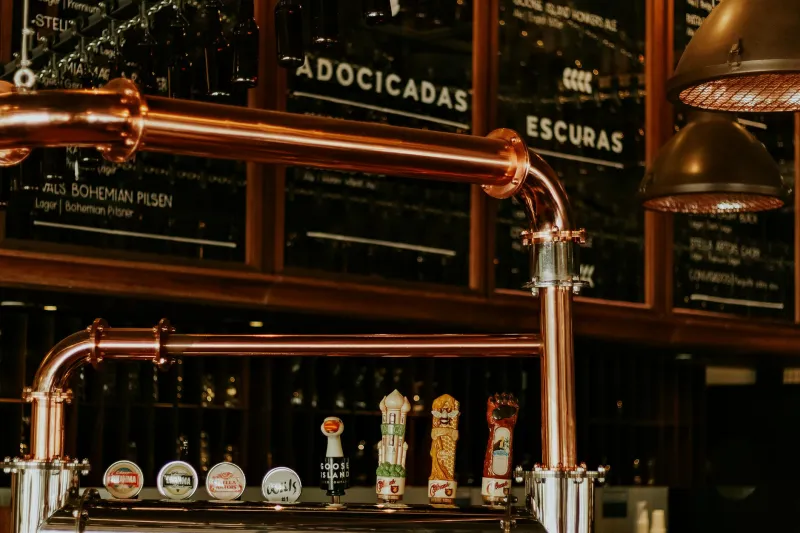
Moreover, many venues maintain small-scale brewing operations alongside their cultural programming, creating sustainable revenue streams that support artistic endeavours. The Hackney Wick Maltings produces limited-edition ales whose sales fund experimental performance commissions, whilst their taproom serves as an informal gallery for emerging visual artists.
The Future Fermentation
As Britain grapples with questions of cultural identity and regional development, these brewery transformations offer compelling models for community-driven cultural programming. They suggest that the most vital cultural spaces emerge not from grand civic gestures, but from patient cultivation of existing resources.
The success of these venues reflects a broader understanding that cultural development, like brewing, requires time, skill, and respect for traditional processes whilst remaining open to innovation. As more forgotten breweries across Britain undergo similar transformations, they create a network of cultural spaces that honour industrial heritage whilst fostering contemporary creative expression.
In these copper cathedrals, the ancient alchemy of fermentation continues—not in the creation of ale, but in the slow, careful cultivation of Britain's evolving cultural landscape. The result is both tribute to our industrial past and foundation for our creative future.