The New Alchemists of Experience
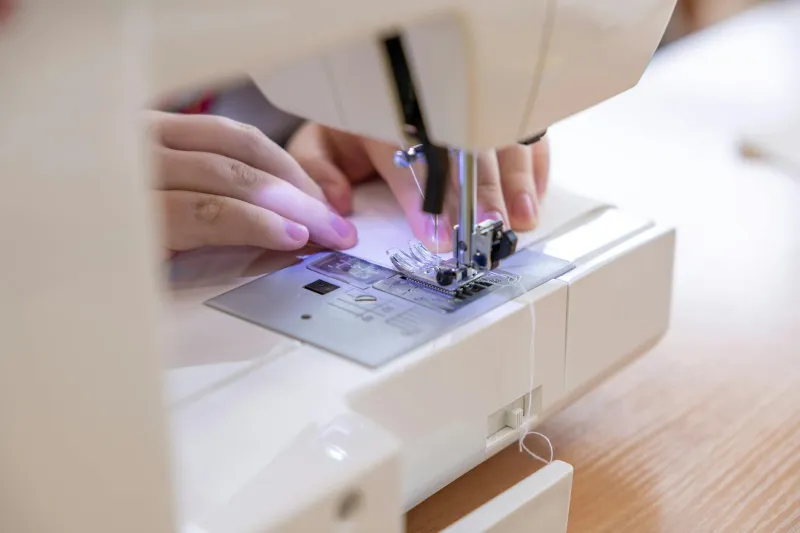
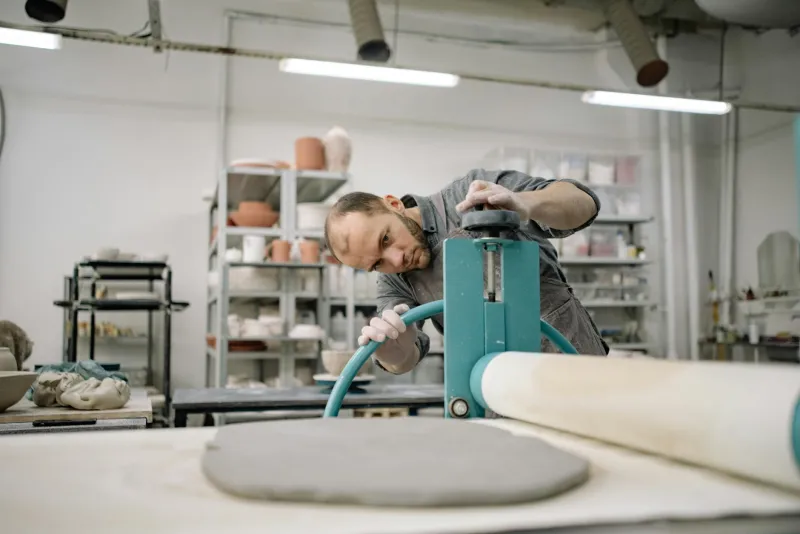
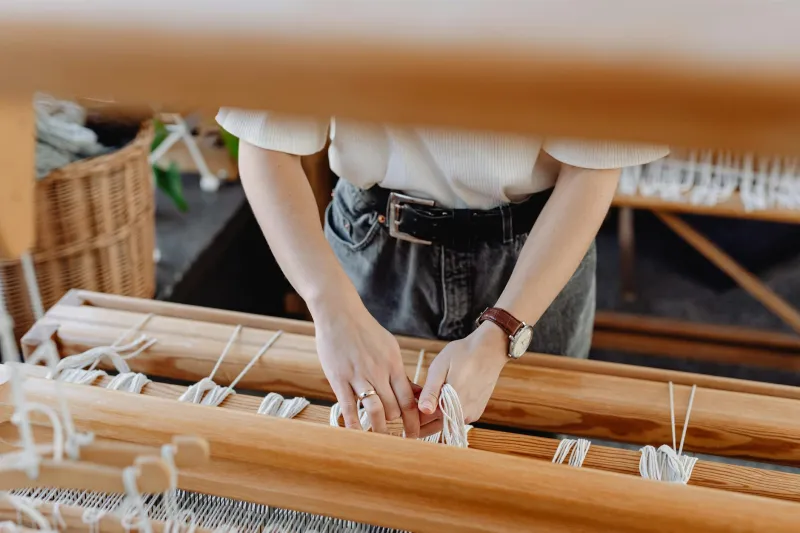
In a converted Victorian mill in Sheffield's Cultural Industries Quarter, Sarah Chen adjusts the ambient lighting as she demonstrates her latest creation—a tabletop role-playing game that transforms the haunting ballads of the Scottish Borders into visceral, tactile gameplay. Her workspace, shared with ceramic artists and textile designers, embodies a particular British approach to creative enterprise: one where traditional craft sensibilities merge with cutting-edge digital innovation.
Chen represents a growing movement of independent game designers across Britain who are fundamentally reimagining what interactive entertainment can achieve. Unlike their counterparts in Silicon Valley or Tokyo's corporate towers, these creators operate from the cultural periphery, drawing strength from regional identity, folk tradition, and the kind of resourceful ingenuity that has long characterised British creative industries.
Crafting Authentic Worlds on Shoestring Budgets
The economics of independent game development in Britain reveal a fascinating paradox. Whilst major studios pour millions into photorealistic environments and celebrity voice acting, creators like Marcus Webb in Bristol's Stokes Croft are achieving profound emotional resonance with hand-drawn illustrations and locally recorded soundscapes.
Webb's latest project, "Moorland Echoes," transforms players into cartographers of an imagined Yorkshire landscape where industrial heritage meets Celtic mythology. Each game component—from the weathered map tiles to the tactile dice carved from reclaimed oak—reflects a design philosophy that prioritises authenticity over spectacle.
"We're not trying to compete with Hollywood budgets," Webb explains, adjusting a prototype board that incorporates actual soil samples from different moorland regions. "We're offering something those productions can't: genuine connection to place, to story, to the physical act of creation itself."
The Edinburgh Experiment
Edinburgh's game design community operates from a different cultural foundation entirely. In the shadow of the Festival Fringe, creators like Fiona MacLeod have developed what she terms "performative gaming"—experiences that blur the boundaries between tabletop mechanics and theatrical presentation.
MacLeod's collective, operating from a shared space above a traditional whisky bar on the Royal Mile, creates games that function as cultural archaeology. Their current project reconstructs the lost social rituals of Highland clearance communities, allowing players to experience historical trauma through carefully designed mechanical constraints.
"Traditional entertainment asks audiences to consume," MacLeod observes. "We're asking people to participate in cultural memory, to become active agents in understanding their own heritage."
Folk Mythology as Design Language
What distinguishes British independent game design is its sophisticated relationship with folklore. Rather than appropriating mythological elements as mere aesthetic decoration, creators like Thomas Hartwell in Norwich are treating folk tales as structural blueprints for interactive experience.
Hartwell's "Selkie Songs" transforms the Orkney legend into a cooperative puzzle game where players must navigate the liminal spaces between land and sea, human and animal, individual desire and community obligation. The game's mechanics mirror the story's themes: every personal gain requires collective sacrifice, every transformation carries permanent consequence.
"Folk tales aren't entertainment," Hartwell argues. "They're compressed wisdom, cultural DNA. When we translate them into game mechanics, we're not simplifying—we're revealing the sophisticated psychological and social structures they contain."
Handcrafted Aesthetics in Digital Spaces
The visual language emerging from British independent game design reflects broader cultural conversations about authenticity, sustainability, and the value of human craft. Creators consistently choose hand-drawn illustration over digital rendering, locally sourced materials over mass-produced components, regional dialects over standardised voice acting.
This aesthetic choice carries political implications. In an entertainment landscape dominated by algorithmic content and corporate homogenisation, British independent creators are asserting the value of individual vision, local knowledge, and traditional craft skills.
Building Communities, Not Just Products
Perhaps most significantly, these designers are creating more than games—they're fostering new forms of social interaction. Local game cafés, maker spaces, and cultural centres increasingly host events that blend gameplay with discussions of history, identity, and creative practice.
The success of initiatives like Bristol's "Folklore Friday" or Sheffield's "Makers & Gamers" collective suggests genuine appetite for entertainment that challenges rather than comforts, that educates whilst it entertains, that connects players to broader cultural conversations.
The Future of Authentic Entertainment
As major entertainment corporations increasingly rely on artificial intelligence and algorithmic content generation, British independent game designers are moving in precisely the opposite direction. They're asserting that meaningful entertainment emerges from human experience, local knowledge, and the kind of careful craft that cannot be automated or mass-produced.
Their success suggests that audiences, particularly in Britain, hunger for cultural products that reflect genuine understanding of place, history, and community. These creators aren't just building games—they're constructing new forms of cultural expression, proving that the most innovative entertainment often emerges not from the centre, but from the creative margins where constraint breeds ingenuity and authenticity trumps spectacle.