The Ritual Endures
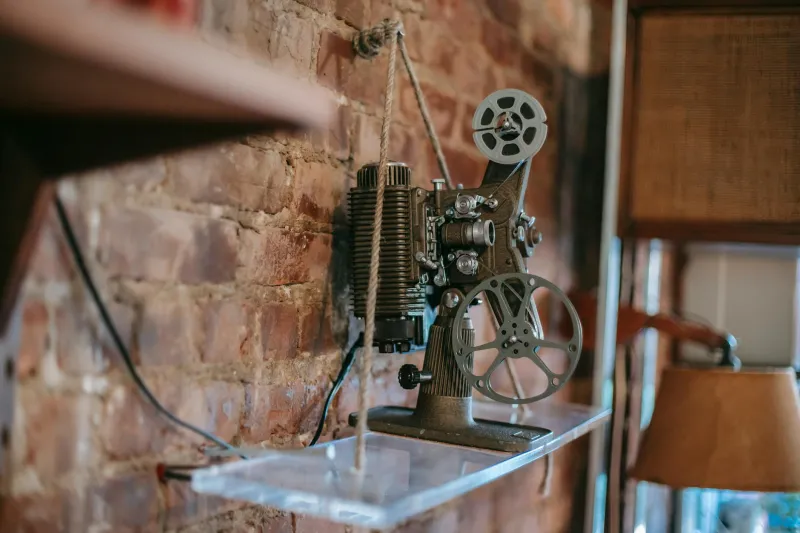
In the projection booth of Glasgow's Centre for Contemporary Arts, Sarah McKenzie threads 35mm film through a labyrinth of metal guides with the precision of a surgeon. The mechanical ballet she performs—checking gate alignment, adjusting focus, monitoring lamp intensity—represents a craft that predates digital cinema by nearly a century. Yet in 2024, her dedication to celluloid feels revolutionary rather than reactionary.
McKenzie belongs to a quietly passionate brotherhood of projectionists scattered across Britain's independent cinema landscape, from the Barbican's concrete caverns to the restored Edwardian splendour of Bristol's Watershed. These custodians of light refuse to surrender to the algorithmic efficiency of digital projection, insisting that cinema's soul resides in the imperfect flicker of film passing through a gate at twenty-four frames per second.
The Philosophy of Imperfection
Their argument transcends mere aesthetic preference. When a 35mm print stutters slightly during a tense dialogue scene, when dust motes dance in the projector beam, when the subtle grain of celluloid adds texture to a close-up—these 'imperfections' create what projectionist David Tremain calls "the breathing space between audience and image." At London's Prince Charles Cinema, where Tremain has worked for fifteen years, he speaks of film projection as "collaborative storytelling between machine, medium, and human attention."
This philosophy directly challenges contemporary cinema's trajectory toward seamless content delivery. Netflix algorithms and multiplex digital projectors eliminate variables, ensuring identical viewing experiences from Manchester to Margate. The celluloid defenders argue this standardisation strips cinema of its essential unpredictability—the qualities that distinguish communal viewing from private consumption.
Craft as Cultural Resistance
The technical demands of 35mm projection require skills that digital systems have rendered obsolete. Building up reels from multiple segments, splicing damaged sections, adjusting colour timing by eye—these practices demand intimate knowledge of both machinery and medium. At Edinburgh Filmhouse, chief projectionist Margaret Sinclair describes her work as "part archaeologist, part alchemist," preserving not just films but the knowledge required to present them authentically.
This craft knowledge represents cultural resistance against what media theorist Franco Berardi terms "the digitisation of experience." When projectionists manually thread film, they engage in what John Ruskin would recognise as meaningful labour—work that bears the imprint of human decision-making rather than algorithmic automation. Their insistence on maintaining these skills parallels movements in other creative fields, from letterpress printing to analogue recording, where practitioners champion process over efficiency.
The Economics of Devotion
Maintaining 35mm capability requires significant investment. Film prints cost substantially more than digital files, projection equipment demands constant maintenance, and skilled operators command higher wages than digital technicians. Yet venues like London's BFI Southbank and Manchester's HOME continue supporting celluloid programming, recognising its cultural value despite economic challenges.
This commitment reflects broader questions about cultural subsidy and artistic preservation. When the Curzon Mayfair closed its 35mm facilities in 2019, film enthusiasts mourned not just the loss of a screening format but the severing of cinema's material connection to its history. Independent venues maintaining celluloid capability become repositories of cinematic memory, preserving viewing experiences unavailable elsewhere.
Audience as Co-Conspirators
The survival of 35mm projection depends partly on audience demand, and here the story becomes encouraging. Younger viewers, raised on digital perfection, increasingly seek out film screenings for their distinctive aesthetic and communal atmosphere. The Prince Charles Cinema's monthly 35mm nights regularly sell out, with audiences applauding not just films but projection quality.
This phenomenon suggests growing appetite for experiences that resist digital homogenisation. When viewers choose 35mm screenings, they participate in what Walter Benjamin called "aura"—the unique presence of an artwork tied to its specific material existence. Unlike digital files, each 35mm print carries physical history: scratches from previous screenings, colour shifts from age and handling, the accumulation of time made visible.
The Future of Flickering Light
Britain's celluloid guardians face an uncertain future. Film stock production has consolidated around a single manufacturer, print availability continues declining, and younger projectionists rarely learn 35mm skills. Yet their persistence suggests recognition that some cultural practices deserve preservation regardless of economic logic.
Their work embodies what Ensata has long championed: the belief that craft traditions maintain essential human values against technological determinism. When Sarah McKenzie adjusts focus by hand rather than digital preset, when David Tremain splices damaged film rather than switching to backup files, they assert cinema's material foundation against its reduction to data streams.
In projection booths across Britain, these keepers of light maintain more than equipment—they preserve cinema's capacity to surprise, to fail beautifully, to remind audiences that the most powerful art emerges from the marriage of human skill and mechanical precision. Their dedication ensures that future generations might still experience the particular magic of light passing through celluloid, creating moving images that bear the irreplaceable mark of their making.
The flicker endures, and with it, cinema's soul.