The Underground Pulse: Britain's Jazz Revolution Emerges from the Depths
Beneath the pavements of Manchester's Northern Quarter, where the thrum of late-night footfall mingles with distant basslines, something extraordinary is happening. In venues that barely qualify as venues—basement flats converted to performance spaces, abandoned industrial units repurposed for a single evening—Britain's most innovative musicians are rewriting the fundamental rules of jazz improvisation.
The New Geography of Sound
This isn't the jazz of dusty conservatoires or heritage-listed concert halls. The movement pulsing through Britain's underground music scene exists in the liminal spaces: Bristol's Stokes Croft warehouses, Glasgow's post-industrial Merchant City, and London's ever-shifting network of temporary venues that appear and disappear like musical mirages.
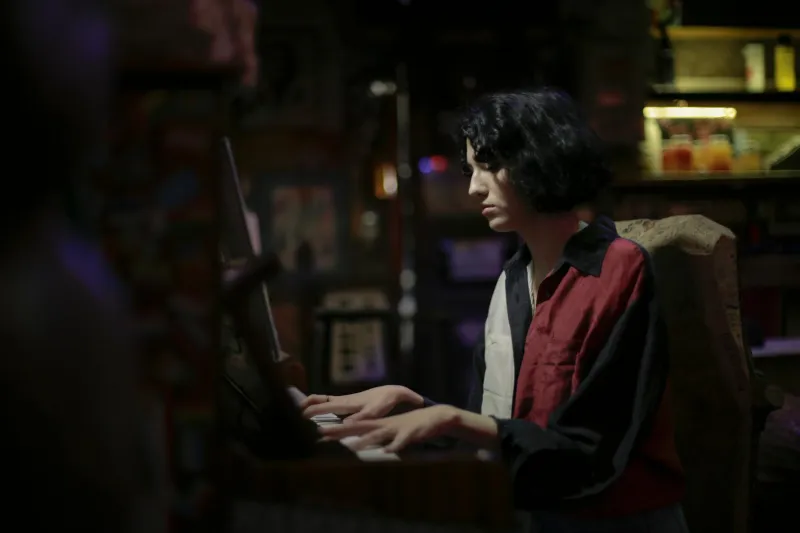
The Cellar Door in Manchester epitomises this new geography. What began as an illegal after-hours gathering in a Victorian basement has evolved into one of the most significant incubators of contemporary British jazz. Here, saxophonist Amara Okafor leads sessions where tabla rhythms collide with drill patterns, where the improvisational freedom of bebop meets the structural rigidity of UK garage.
"We're not trying to preserve something," Okafor explains, her instrument case balanced precariously on a stack of milk crates that serves as the venue's makeshift seating. "We're trying to create something that didn't exist before—something that sounds like Britain in 2024."
Fusion as Philosophy
This philosophical approach to musical hybridisation represents more than aesthetic choice; it's a deliberate rejection of cultural gatekeeping. In Bristol, the collective known as Soundsystem Synthesis has spent three years developing what they term "post-diaspora jazz"—compositions that weave together the musical DNA of communities that have made Britain home.
Trumpeter Dev Patel describes their approach as "archaeological"—digging through layers of musical influence to uncover connections that traditional genre boundaries obscure. "My grandmother's Gujarati folk songs have more in common with Charlie Parker than people realise," he argues. "Both are about finding freedom within structure, about making the familiar strange."
The collective's performances at The Undergrowth, a former Victorian public toilet converted into a 30-capacity venue, have become legendary amongst those fortunate enough to secure entry. Audiences squeeze onto reclaimed church pews to witness compositions that might begin with a traditional raga, morph through a grime-influenced breakdown, and resolve in free-form jazz improvisation.
The Commercial Conundrum
Yet this creative freedom exists in constant tension with commercial reality. These venues operate on margins so thin they're practically theoretical—door takings of £200 split between five musicians after venue costs barely constitutes a living wage. The question haunting every late-night session is whether this raw, collaborative spirit can survive contact with the broader music industry.
Glasgow's Bassline Collective offers one potential model. Founded by drummer Kiera MacLeod in a Gorbals basement, the group has successfully transitioned from underground sessions to festival stages without compromising their experimental edge. Their secret, MacLeod suggests, lies in maintaining the intimate venue as home base whilst pursuing larger opportunities.
"The basement is our laboratory," she explains. "Everything we do on the big stages gets tested down here first. The audience of thirty people who show up every Tuesday night—they're our real critics."
Technology as Collaborator
What distinguishes this movement from previous jazz revivals is its sophisticated relationship with technology. Rather than viewing electronic elements as foreign intrusions, these musicians treat digital manipulation as another instrument in the ensemble.
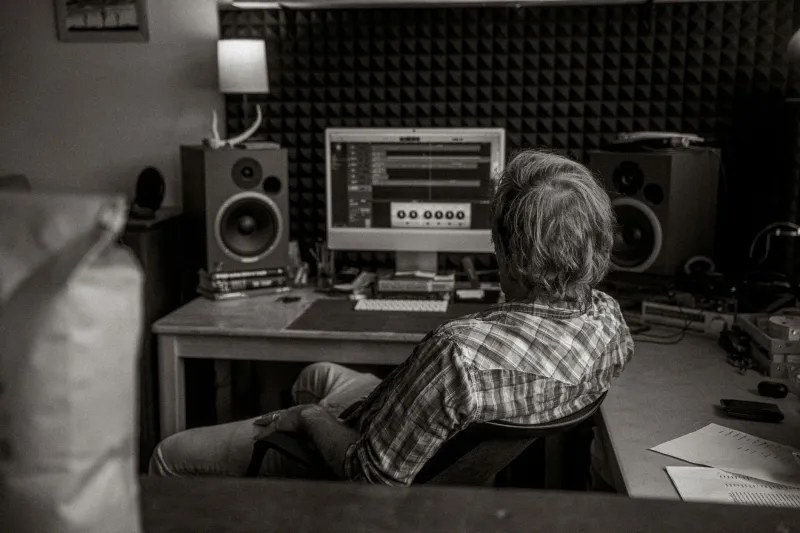
In London's Bermondsey, producer and multi-instrumentalist Jordan Clarke has developed what he calls "responsive environments"—algorithmic systems that react to live improvisation in real-time. His performances at The Vault, a former Victorian railway arch, feature compositions that evolve based on the acoustic properties of the space and the emotional temperature of the audience.
"The computer isn't replacing human creativity," Clarke insists, adjusting parameters on a laptop perched atop a repurposed industrial sewing machine. "It's amplifying the collaborative possibilities. When the algorithm responds to the bassist's choices, and the drummer responds to the algorithm, you get these emergent patterns that none of us could have planned."
Cultural Inheritance and Innovation
Perhaps most significantly, this underground renaissance represents a mature relationship with cultural inheritance. These musicians aren't rejecting jazz tradition—they're treating it as living material to be shaped rather than museum pieces to be preserved.
At Birmingham's Subterranean Sessions, held in the basement of a Victorian-era pub, multi-instrumentalist Fatima Al-Rashid leads ensembles that might feature oud alongside tenor saxophone, where maqam scales inform compositions built on UK funky rhythms. The result sounds both ancient and futuristic—music that could only emerge from Britain's particular cultural moment.
"We're the children of migration and digital culture," Al-Rashid reflects. "Our music reflects that complexity. It's not fusion for fusion's sake—it's the sound of our lived experience."
The Question of Sustainability
As this movement gains recognition—recent coverage in The Wire and invitations to major festivals suggest broader industry attention—the fundamental challenge remains unchanged. Can music this collaborative, this dependent on intimate spaces and patient audiences, survive scaling up?
The answer may lie not in traditional models of commercial success but in new forms of cultural infrastructure. Several collectives are experimenting with membership schemes, online streaming platforms designed for live improvisation, and partnerships with arts organisations that understand the value of cultural risk-taking.
What's certain is that in Britain's jazz cellars, a new musical language is being born—one that speaks to the complexity of contemporary British identity whilst pushing the boundaries of what improvisation can achieve. Whether this underground pulse can sustain itself may determine not just the future of British jazz, but the broader question of how innovative culture survives in an increasingly commercialised landscape.
The revolution continues, one basement session at a time.