The Alchemy of Curation
In an era where algorithms dictate musical discovery, Britain's independent record shops have emerged as sanctuaries of intentional curation. These spaces, once threatened by the digital revolution, now serve as bastions of cultural resistance—not merely selling records, but cultivating communities around the craft of listening.
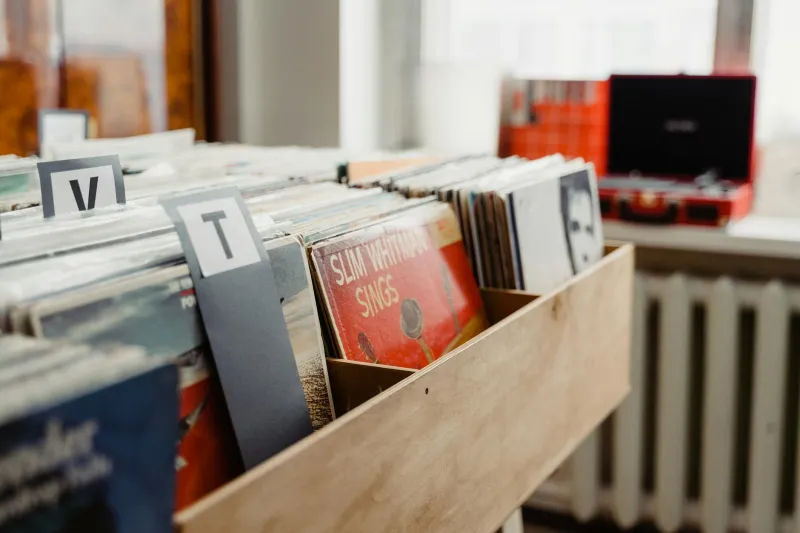
At Rough Trade East in London's Brick Lane, the morning ritual unfolds with deliberate precision. Staff members, each possessing encyclopaedic knowledge of their chosen genres, arrange vinyl with the care of gallery curators. This isn't retail; it's cultural stewardship. The shop's reputation extends far beyond its impressive inventory—it functions as a cultural barometer, its recommendations carrying the weight of decades of expertise.
"We're not competing with Spotify," explains Marcus Russell, who has managed independent shops across the capital for fifteen years. "We're offering something entirely different—context, community, and the irreplaceable experience of physical discovery."
Beyond Commerce: The Gallery Space
Southsea's Pie & Vinyl exemplifies this evolution most dramatically. Part record shop, part café, part exhibition space, it represents a hybrid model that's becoming increasingly common across Britain. Local artists display work alongside rare pressings, whilst customers sip coffee and engage in conversations that span from post-punk revival to contemporary installation art.
This fusion reflects a broader understanding within Britain's creative industries: that cultural consumption thrives when it becomes social, tactile, and multidimensional. The shop's owner, Sarah Chen, describes her space as "deliberately anti-digital"—not from technological aversion, but from a commitment to slow culture.
"People arrive stressed from their screens and leave having discovered something unexpected," Chen observes. "That transformation—from consumer to community member—is what we're really facilitating."
The Craft of Discovery
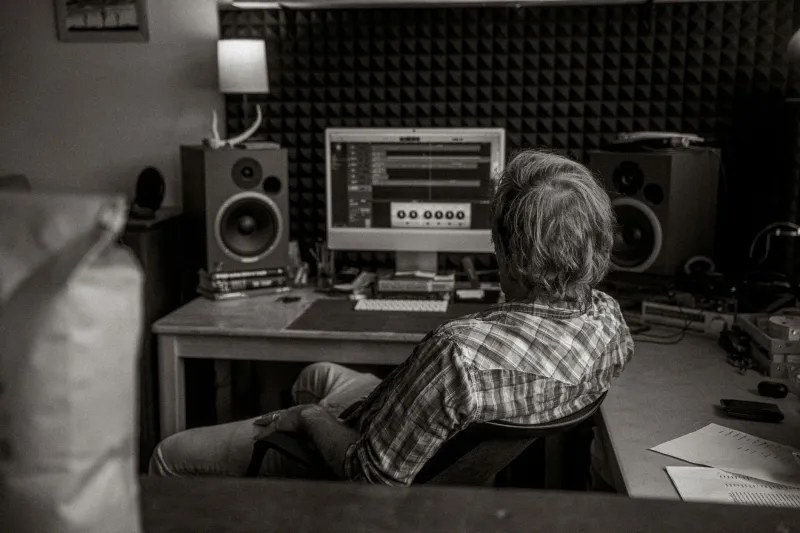
Bristol's Rise Records has taken this philosophy further, establishing monthly "Deep Listening" sessions where participants explore entire albums without interruption. These events, often selling out within hours, demonstrate the hunger for focused, communal musical experiences. The shop's founder, David Okoye, trained originally as a sound engineer and brings technical expertise to his curation.
"Each record tells multiple stories," Okoye explains. "There's the music itself, the recording process, the cultural moment it captured, and now, its journey through various owners to our shop. We're custodians of these narratives."
This approach to curation as craft resonates throughout Britain's independent music scene. Shop owners speak of their work with the vocabulary of artisans—discussing the "grain" of particular pressings, the "character" of different mastering techniques, and the "narrative arc" of their displays.
Community as Creative Practice
The most successful independent record shops have reimagined themselves as creative incubators. Glasgow's Monorail Music hosts regular artist talks, album launch parties, and collaborative projects between musicians and visual artists. These events blur the boundaries between commerce, culture, and community engagement.
Regular customer James Morrison, a graphic designer from the city's East End, describes Monorail as "essential infrastructure" for his creative practice. "I've discovered collaborators here, found inspiration for projects, and developed my understanding of music as a design medium. It's become integral to how I work."
This sentiment echoes across Britain's independent music community. Record shops have become informal networking hubs, connecting musicians with producers, artists with venues, and audiences with experiences they wouldn't encounter elsewhere.
The Economics of Authenticity
Despite—or perhaps because of—their commitment to craft over commerce, many independent record shops are thriving. The latest figures from the Entertainment Retailers Association show vinyl sales in the UK reaching their highest level since 1990, with independent shops capturing an increasing share of this market.
This success stems from their ability to offer what digital platforms cannot: expertise, community, and the irreplaceable experience of physical discovery. Customers aren't simply purchasing music; they're investing in cultural experiences and supporting local creative ecosystems.
Resistance Through Craft
The independent record shop movement represents more than nostalgia for analogue formats. It embodies a sophisticated response to cultural homogenisation, offering spaces where discovery remains unpredictable and community engagement feels authentic.
As streaming services optimise for engagement metrics and major retailers focus on volume, independent shops have carved out territory around quality, context, and craft. They've proven that physical spaces remain vital to cultural life, particularly when those spaces prioritise community over commerce.
This quiet revolution suggests a broader shift in how Britain's creative communities are responding to digital dominance. By emphasising craft, curation, and community, independent record shops have created a sustainable model for cultural resistance—one that celebrates the sophistication of niche music culture whilst remaining accessible to curious newcomers.
In an increasingly homogenised cultural landscape, these spaces offer something precious: the possibility of genuine surprise, fostered by human expertise and shared passion for the craft of listening.