The Frequency Insurgents
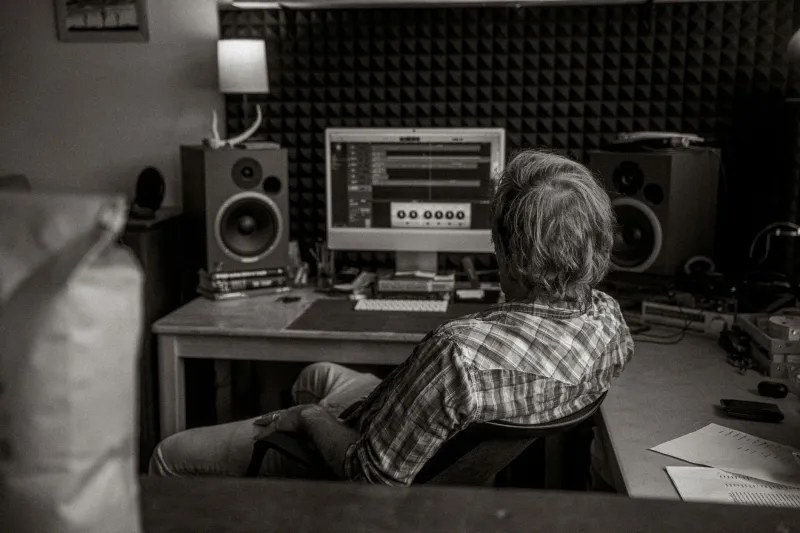
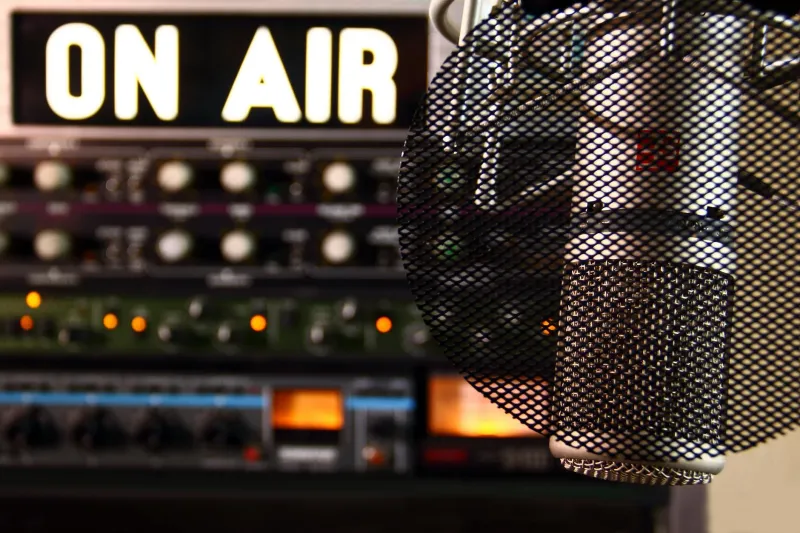
In a converted Victorian railway arch beneath South London's sprawling network of train lines, Sarah Chen adjusts the gain on a battered mixing desk that has witnessed more cultural revolution than most museums. The static clears, and suddenly the airwaves crackle with the unmistakable energy of resistance. This is Spectrum Collective, one of dozens of micro-broadcasting operations quietly reshaping Britain's audio landscape, one unauthorised transmission at a time.
The lineage is unmistakable. From Radio Caroline's offshore rebellion in the 1960s to the acid house pirates of the late 1980s, unlicensed broadcasting has long served as Britain's sonic conscience—a persistent reminder that the airwaves belong to the people, not merely to corporate gatekeepers. Yet today's micro-broadcasters represent something more nuanced than their predecessors' straightforward defiance.
Beyond Nostalgia: The New Resistance
Whilst the romantic mythology of pirate radio often centres on rebellious DJs spinning forbidden records from converted trawlers or tower block transmitters, contemporary micro-broadcasting reveals a more sophisticated understanding of cultural power. These aren't simply nostalgic recreations of past glories, but strategic interventions in Britain's increasingly centralised media ecosystem.
Take Manchester's Frequency Liberation Front, operating from a network of low-power transmitters scattered across the city's post-industrial landscape. Their programming deliberately amplifies voices systematically excluded from commercial radio: asylum seekers sharing stories in their native languages, working-class poets exploring gentrification's impact on local communities, experimental musicians whose sonic explorations challenge conventional broadcasting standards.
"We're not trying to recreate 1988," explains collective member James Morrison, adjusting a homemade antenna constructed from copper piping and electronic salvage. "We're using the tools and tactics of pirate radio to address contemporary cultural emergencies—the silencing of dissent, the commodification of creativity, the homogenisation of public discourse."
The Hybrid Revolution
Technology has fundamentally transformed the micro-broadcasting landscape. Where previous generations of pirates required substantial technical knowledge and expensive equipment, today's operators blend low-power FM transmission with internet streaming, creating hybrid networks that transcend geographical limitations whilst maintaining radio's essential intimacy.
Bristol's Wavelength Collective exemplifies this evolution. Operating from a converted shipping container in the city's creative quarter, they broadcast simultaneously on unlicensed FM frequencies and through encrypted internet streams, reaching both local communities and global diaspora populations. Their programming schedule reads like a manifesto for cultural democracy: Somali news programmes, experimental electronic compositions, community organising discussions, and live performances from artists whose work challenges mainstream aesthetic boundaries.
The technical sophistication extends beyond mere transmission. These collectives have developed sophisticated content management systems, allowing community members to upload programmes remotely, schedule broadcasts collaboratively, and maintain archives of culturally significant material that might otherwise disappear into digital oblivion.
Cultural Archaeology in Real Time
What distinguishes contemporary micro-broadcasters from both mainstream media and nostalgic pirate radio recreations is their commitment to cultural archaeology—the deliberate excavation and preservation of Britain's marginalised sonic heritage. Leeds-based Transmission Archaeology Project spends months researching forgotten musical scenes, interviewing elderly participants in long-defunct cultural movements, and broadcasting programmes that function as living documentaries.
Their recent series on Yorkshire's forgotten folk revival of the 1970s featured interviews with surviving musicians, rare recordings from private collections, and contemporary artists creating new work inspired by these rediscovered traditions. This isn't passive preservation but active cultural resurrection—using radio's unique capacity for intimacy and immediacy to transform historical research into living community engagement.
The Legal Labyrinth
Navigating Britain's broadcasting regulations requires considerable sophistication. Many micro-broadcasters operate in the grey spaces between outright piracy and legitimate community radio, utilising restricted service licences for temporary events, low-power exemptions for educational purposes, and internet streaming's regulatory ambiguities.
Some have successfully transitioned to official community radio licences whilst maintaining their radical programming ethos. Others deliberately embrace illegality as a form of civil disobedience, arguing that Ofcom's licensing structure inherently favours commercial interests over genuine community voices.
"The question isn't whether we're breaking the law," argues Edinburgh Frequency Collective member Dr. Amara Okafor. "The question is whether the law serves democratic communication or protects commercial monopolies. Sometimes civil disobedience becomes a cultural necessity."
Sonic Commons for the Digital Age
These micro-broadcasters are essentially creating sonic commons—shared cultural spaces where communities can engage with ideas, music, and conversations unavailable through mainstream channels. Their impact extends far beyond their immediate broadcast reach, influencing local cultural scenes, supporting emerging artists, and providing platforms for political organising.
The model is spreading rapidly across Britain's urban centres, from Glasgow's Industrial Frequency Collective to Cardiff's Community Wavelength Project. Each operation reflects its local context whilst contributing to a broader movement toward cultural democracy and media sovereignty.
As Britain grapples with increasing media consolidation and cultural homogenisation, these wavelength warriors represent more than mere nostalgia for pirate radio's golden age. They embody a sophisticated understanding of how independent media can nurture genuine community, challenge dominant narratives, and ensure that Britain's airwaves remain spaces for authentic cultural expression rather than mere commercial exploitation.
The frequency revolution continues, one unauthorised transmission at a time.