The Revolution Begins in a Washing Machine
On a rain-soaked Tuesday evening in Toxteth, thirty-seven people queue outside Sudz & Bubbles, a neighbourhood launderette that hasn't seen this much excitement since the 1981 riots. Tonight, however, the revolution is quieter, more profound. Between the Hotpoint washers and industrial dryers, Sarah Chen's ceramic installations explore themes of displacement and belonging—work that has been rejected by Liverpool's established galleries three times in two years.
Chen represents a growing movement of self-taught and neurodivergent artists who have stopped knocking on gallery doors and started creating their own. Across Britain, from Aberdeen to Penzance, artists are staging interventions in fish and chip shops, defunct telephone boxes, abandoned petrol stations, and corner shops. These aren't guerrilla art stunts designed for social media virality; they're sustained attempts to democratise cultural space in a country where access to artistic platforms remains stubbornly elitist.
Breaking the Cultural Gatekeepers
The statistics paint a stark picture of British cultural exclusion. According to Arts Council England's latest diversity report, 89% of gallery programming remains controlled by university-educated curators, with neurodivergent artists representing less than 2% of exhibited work. Meanwhile, rental costs in London's gallery districts have increased by 340% since 2010, effectively pricing out experimental and community-focused spaces.
"The establishment talks about accessibility, but they mean wheelchair ramps, not cultural democracy," argues Marcus Thompson, a former psychiatric nurse turned community organiser who facilitates exhibitions in Birmingham's Jewellery Quarter. Thompson's organisation, Threshold Collective, has mounted forty-three exhibitions in unconventional spaces over the past eighteen months, from barber shops to betting shops.
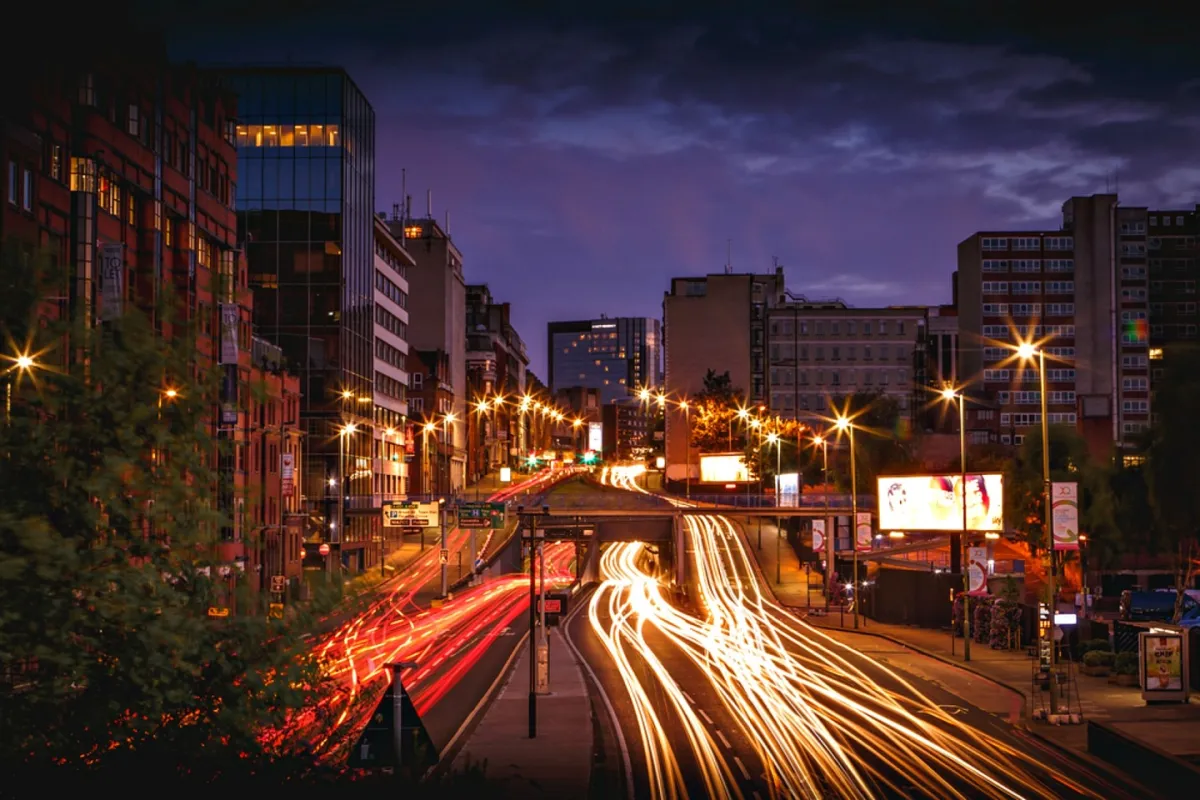 Photo: Birmingham's Jewellery Quarter, via www.birmingham-jewellery-quarter.net
What distinguishes these interventions from traditional pop-up exhibitions is their commitment to genuine community integration. Rather than parachuting art into spaces for brief, Instagram-friendly moments, these organisers build sustained relationships with local businesses and residents. In Grimsby, painter David Hutchinson has been working from a former Woolworths for three years, gradually transforming the space into an informal cultural hub where pensioners discuss abstraction over tea and biscuits.
The Economics of Cultural Insurrection
The financial model underpinning this movement reveals both its radical potential and inherent limitations. Most organisers operate on shoestring budgets, relying on donated materials, volunteer labour, and the goodwill of sympathetic landlords. In Newcastle, sculptor Emma Rodriguez pays £50 per month to use a former Blockbuster Video as her studio and exhibition space—a fraction of what commercial galleries charge for wall space.
Yet this economic precarity also enables genuine experimentation. Freed from the commercial pressures that constrain established galleries, these spaces can champion difficult, uncommercial work. Rodriguez's current exhibition features sculptures made from hospital waste materials, exploring themes of medical trauma that would struggle to find platforms in profit-driven venues.
Digital Networks, Physical Spaces
Social media has proved crucial in connecting these scattered initiatives into a coherent movement. The #UnconventionalSpaces hashtag has generated over 12,000 posts, creating virtual networks between artists working in isolation across Britain's post-industrial landscape. WhatsApp groups coordinate resource sharing, from borrowed lighting equipment to shared transport for opening nights.
This digital connectivity has enabled surprising collaborations. Sound artist Priya Patel, working from a defunct phone box in Hebden Bridge, recently collaborated with ceramic artist James Morrison in a former Wimpy in Wrexham, creating an audio installation that visitors experienced through headphones while viewing Morrison's work. The piece, exploring themes of communication breakdown in post-Brexit Britain, attracted coverage in international art publications despite being mounted in a space smaller than most people's bathrooms.
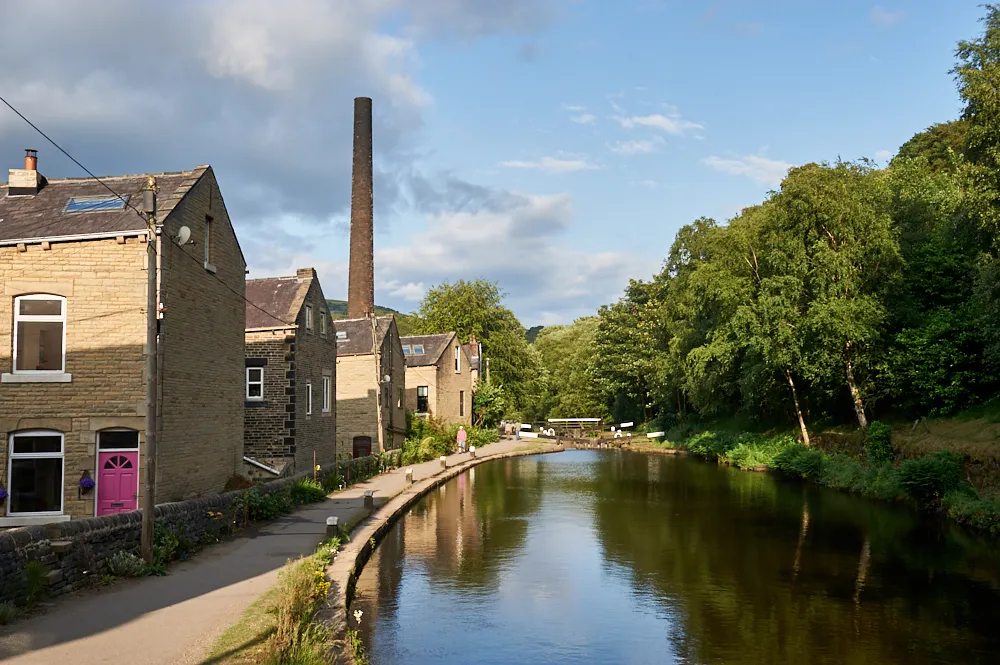 Photo: Hebden Bridge, via cdn.shortpixel.ai
The Question of Gentrification
Critics argue that these artistic interventions risk becoming the advance guard of gentrification, making previously overlooked areas attractive to property developers and middle-class newcomers. The concern isn't without foundation—similar movements in Berlin and Detroit have preceded significant demographic shifts that displaced existing communities.
However, many organisers have developed strategies to resist this trajectory. In Stoke-on-Trent, the Clay Quarter collective requires all participating artists to commit to three-year minimum residencies and mandates that 40% of exhibited work must be created by local residents. This approach prioritises community development over artistic tourism.
Institutional Responses
The art establishment's response to this grassroots insurgency has been characteristically complex. Some galleries have launched "community outreach" programmes that critics dismiss as tokenistic gestures designed to maintain institutional control while appearing progressive. Others have begun genuine partnerships, providing technical support and promotional assistance without demanding curatorial oversight.
The Turner Prize's decision to relocate to various British cities outside London represents a significant acknowledgement that cultural authority no longer resides exclusively in metropolitan centres. However, many grassroots organisers remain sceptical of institutional engagement, fearing co-optation of their radical potential.
The Future of Cultural Democracy
As Britain grapples with ongoing economic uncertainty and social fragmentation, these unconventional cultural spaces offer more than artistic platforms—they provide models for community resilience and creative problem-solving. In an era when traditional institutions struggle with relevance and funding, the improvised galleries emerging in Britain's margins demonstrate that cultural vitality doesn't require institutional blessing or commercial validation.
The movement's true success won't be measured by how many artists eventually gain gallery representation, but by how thoroughly it challenges assumptions about who deserves cultural platforms and where meaningful artistic dialogue can occur. In launderettes and chip shops across Britain, that conversation has already begun.