The Cathedral of Second Chances
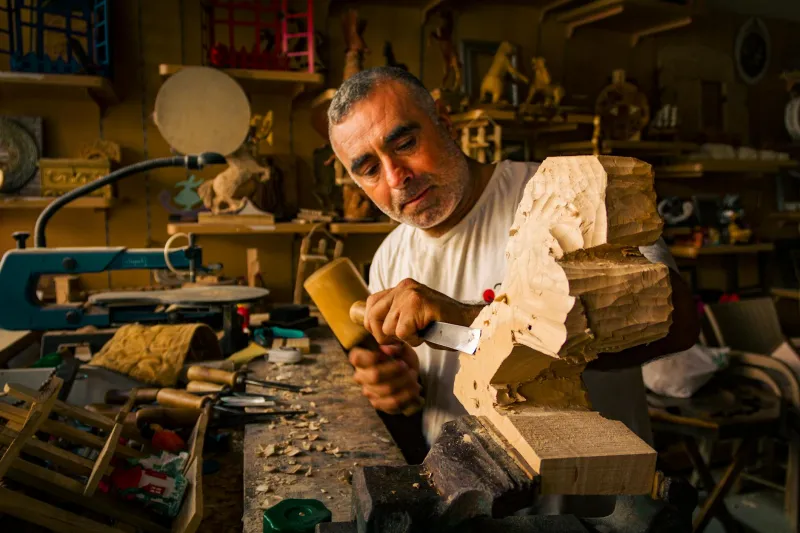
Every Saturday morning, the parish hall of St. Bartholomew's in Bethnal Green transforms into something approaching a medieval guild workshop. Tables groan under the weight of broken appliances, torn clothing, and fractured furniture, whilst volunteers armed with specialist knowledge move between workstations like technical priests administering last rites to the damaged and discarded.
This is Mend East London, one of over 400 repair cafés now operating across Britain—spaces where the simple act of fixing broken objects has evolved into a sophisticated form of cultural practice. What began as a practical response to throwaway culture has become something far more profound: a network of community laboratories where craft knowledge is exchanged, intergenerational bonds are forged, and the philosophy of permanence finds physical expression.
"We're not just mending objects," explains Martha Hendricks, a textile conservator who volunteers her Saturday mornings to darning strangers' jumpers. "We're mending the relationship between people and things, between knowledge and community, between generations who've forgotten how to talk to each other."
The Archaeology of Repair
The repair café movement arrived in Britain via the Netherlands, but its cultural DNA runs deeper than its recent origins suggest. In the careful hands of volunteer menders, one can trace the lineage of Britain's disappearing craft traditions—the knowledge systems that once sustained communities through scarcity and hardship.
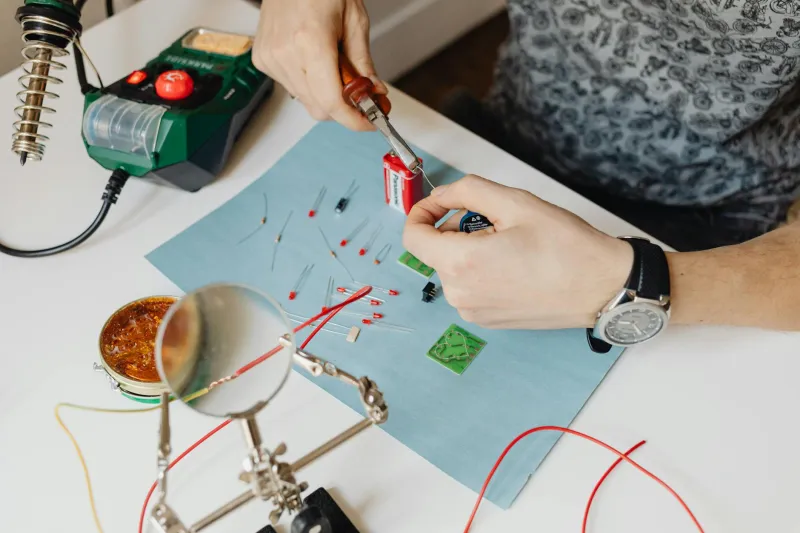
At the Hebden Bridge Repair Café, housed in a former Methodist chapel, electronics engineer David Park applies decades of professional experience to resurrecting defunct radios and broken amplifiers. His workstation resembles an archaeological site, with circuit boards laid out like ancient pottery shards awaiting reconstruction.
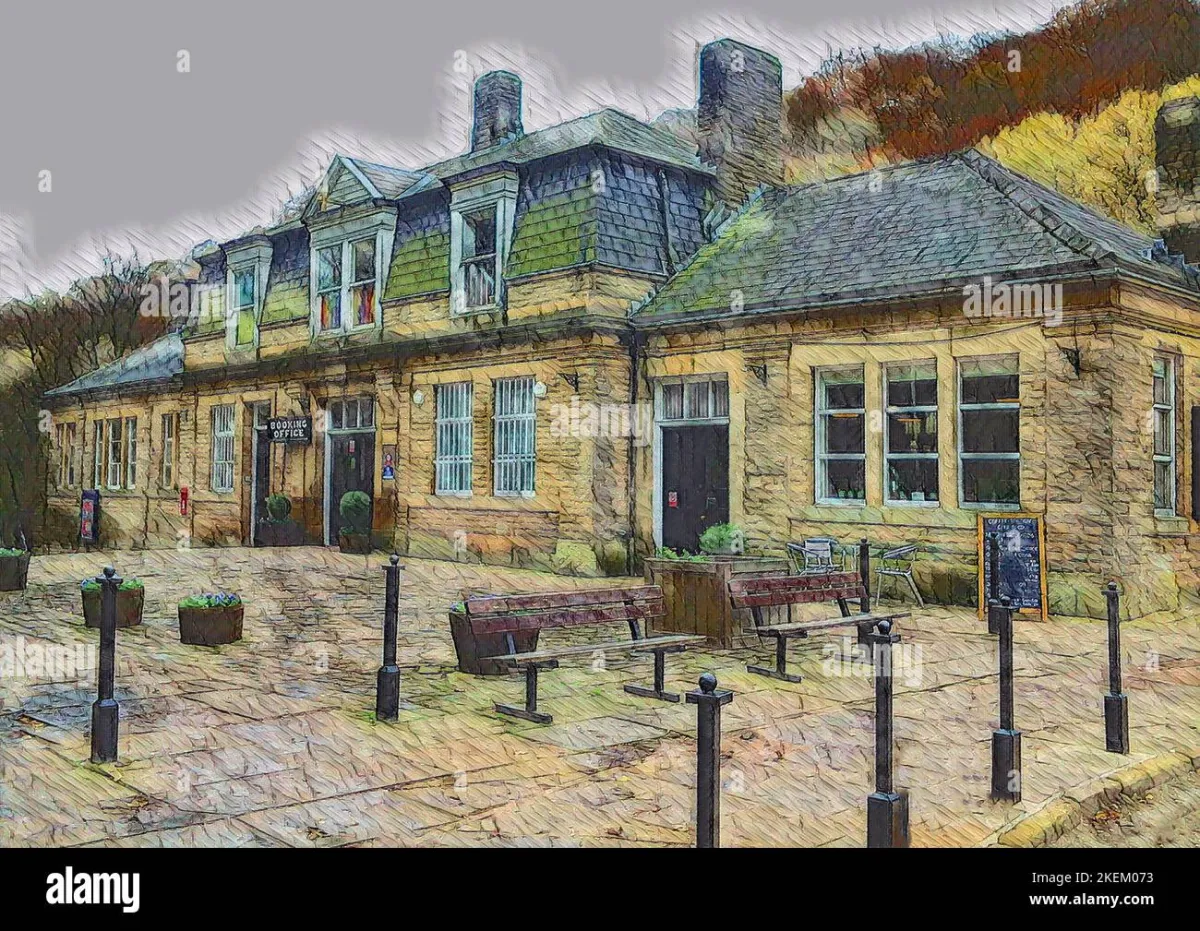 Photo: Hebden Bridge Repair Café, via c8.alamy.com
"Each broken appliance tells a story," Park explains, probing a 1980s transistor radio with his multimeter. "Not just of planned obsolescence and corporate cynicism, but of how we've lost touch with the things that sustain us. When people watch me trace a circuit fault, they're seeing knowledge they didn't know existed."
Park's Saturday morning sessions regularly draw audiences of curious observers, creating impromptu masterclasses in electronic theory. Children peer over his shoulder as he explains signal flow and component failure, whilst their parents discover that the mysterious black boxes governing their daily lives are neither mysterious nor irreparable.
The Democracy of Making
What distinguishes Britain's repair cafés from mere fix-it shops is their commitment to knowledge transfer rather than simple service provision. At Brighton's Repair Café, housed in a converted Victorian schoolhouse, the emphasis falls squarely on teaching rather than doing.
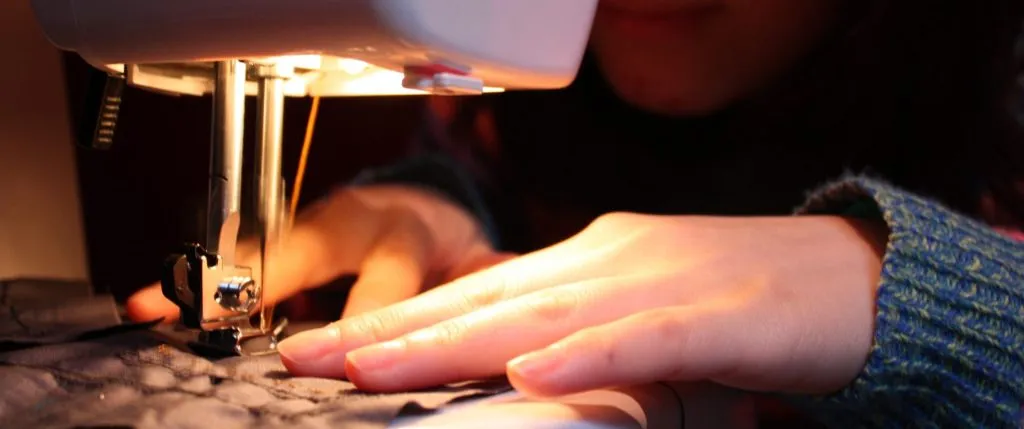 Photo: Brighton's Repair Café, via brightonrepaircafe.files.wordpress.com
"We could fix everything ourselves and send people home happy," explains coordinator James Sullivan, watching a pensioner learn to use a sewing machine for the first time in forty years. "But that would defeat the point. We're trying to rebuild a culture where people understand and control the objects in their lives."
This pedagogical approach creates unexpected moments of cultural transmission. Eighty-year-old Rose Pemberton, a former seamstress, finds herself teaching hand-sewing techniques to twenty-something fashion graduates who've mastered digital pattern-making but never learned to set a proper stitch. Meanwhile, teenage volunteers share smartphone repair techniques with older visitors who've never considered their devices fixable.
The result is a form of intergenerational dialogue that transcends traditional cultural boundaries. "My granddaughter taught me to replace a phone screen last week," Rose laughs, threading a needle with the steady precision of decades. "Then I showed her how to darn properly. We're both teachers, we're both students."
The Politics of Permanence
Beneath the gentle atmosphere of community cooperation, Britain's repair cafés embody a radical critique of contemporary economic logic. In a culture organised around consumption and disposal, the act of mending becomes inherently political—a rejection of planned obsolescence and artificial scarcity.
This political dimension is most visible at the Totnes Repair Café, where volunteers have developed sophisticated tracking systems to document the environmental impact of their interventions. Coordinator Sarah Mitchell estimates that their monthly sessions divert approximately two tonnes of material from landfill whilst saving visitors over £15,000 in replacement costs.
"But the real revolution isn't environmental or economic," Mitchell argues. "It's cultural. We're demonstrating that ordinary people can master the technical knowledge that corporations want to monopolise. Every successful repair is a small act of sovereignty."
This sovereignty extends beyond technical competence into broader questions of agency and control. When visitors successfully repair their own possessions, they experience a form of empowerment that transcends the immediate practical benefit. They discover that the complex systems governing modern life remain accessible to human understanding and intervention.
The Aesthetic of Imperfection
Perhaps the most profound challenge posed by repair café culture lies in its embrace of visible mending. Rather than pursuing invisible restoration, many volunteers actively celebrate the traces of repair—the decorative darning that transforms a hole into ornamentation, the creative solutions that improve upon original designs.
Textile artist and volunteer mender Caroline Foster has developed a distinctive approach she calls "radical darning"—visible repair work that transforms damage into decorative opportunity. Her Saturday morning workshops attract participants seeking not just functional restoration but aesthetic transformation.
"Japanese culture has kintsugi—the art of repairing broken ceramics with gold," Foster explains, demonstrating an elaborate darning pattern on a torn wool coat. "We're developing our own tradition of visible mending, one that celebrates repair as creative act rather than shameful necessity."
This aesthetic philosophy challenges contemporary culture's obsession with pristine newness. In Foster's hands, a mended garment becomes more beautiful than its original state, carrying the visual evidence of care, attention, and creative intervention.
The Future of Mending
As repair cafés multiply across Britain, their influence extends beyond the immediate communities they serve. Local councils increasingly recognise their role in waste reduction and community cohesion, whilst educational institutions explore partnerships that might integrate repair skills into formal curricula.
More significantly, the repair café movement is generating new forms of cultural infrastructure—networks of knowledge sharing that operate outside commercial and institutional frameworks. Online forums connect repair café volunteers across Britain, sharing techniques and troubleshooting complex problems collaboratively.
Back in Bethnal Green, as Saturday afternoon sunlight slants through the parish hall windows, Martha Hendricks completes her morning's work—three darned jumpers, a relined coat, and a repaired handbag. But her real achievement lies in the knowledge transferred, the confidence built, and the relationships forged around the simple act of making things whole again.
"Every repair is an act of hope," she reflects, packing away her needles and thread. "Hope that things can be fixed, that knowledge can be shared, that communities can sustain themselves through care and attention rather than consumption and disposal."
In this quiet revolution of mending, Britain's repair cafés are stitching together more than broken objects—they're weaving the fabric of a new cultural commons, one careful repair at a time.