The Alchemy of Memory
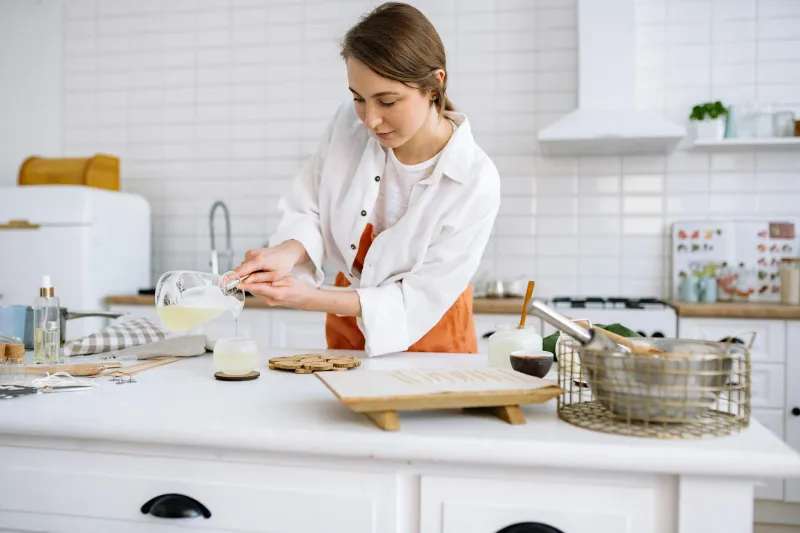
In a converted chapel outside Hebden Bridge, Sarah Blackwood tends to copper vats of molten beeswax, the air thick with the scent of wild Yorkshire moorland. Each candle she crafts carries within its waxy core fragments of Britain's disappearing folklore—pressed petals from ancient burial grounds, ash from Beltane fires, herbs gathered during the dark moon. This is candlemaking as cultural archaeology, where flame becomes the medium for resurrecting lost traditions.
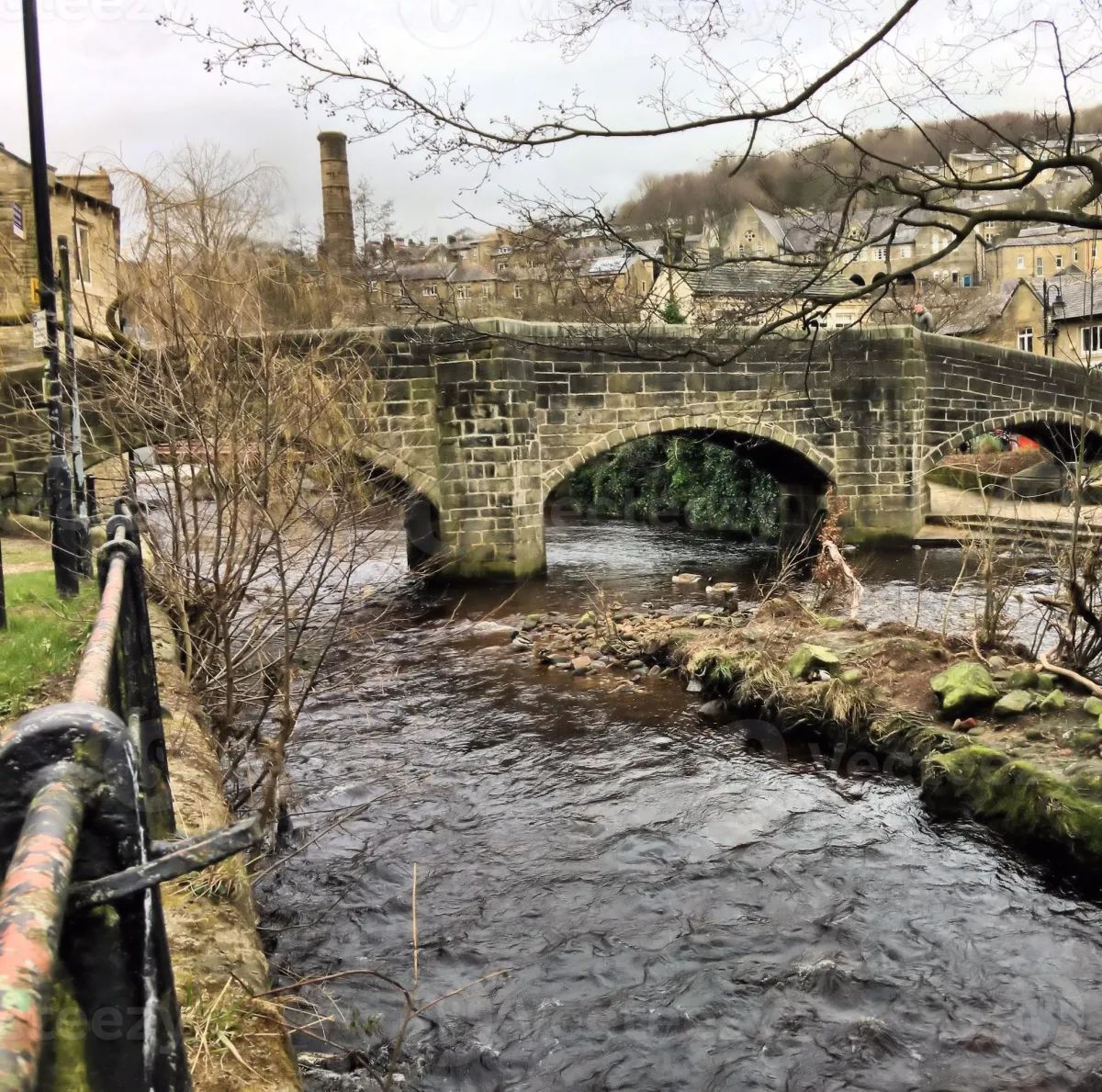 Photo: Hebden Bridge, via static.vecteezy.com
"We've forgotten how to read the landscape," Blackwood explains, lifting a candle embedded with rowan berries and inscribed with Ogham script. "These objects are teaching tools. When someone lights this candle, they're participating in a ritual that connects them to centuries of seasonal practice."
Blackwood represents a growing movement of British artisans who view candlemaking not as mere craft, but as a form of cultural preservation. Across the archipelago, from the Shetland Islands to the Cornish coast, makers are encoding regional identity into wax, creating what might be termed 'narrative candles'—objects that burn with the accumulated memory of place.
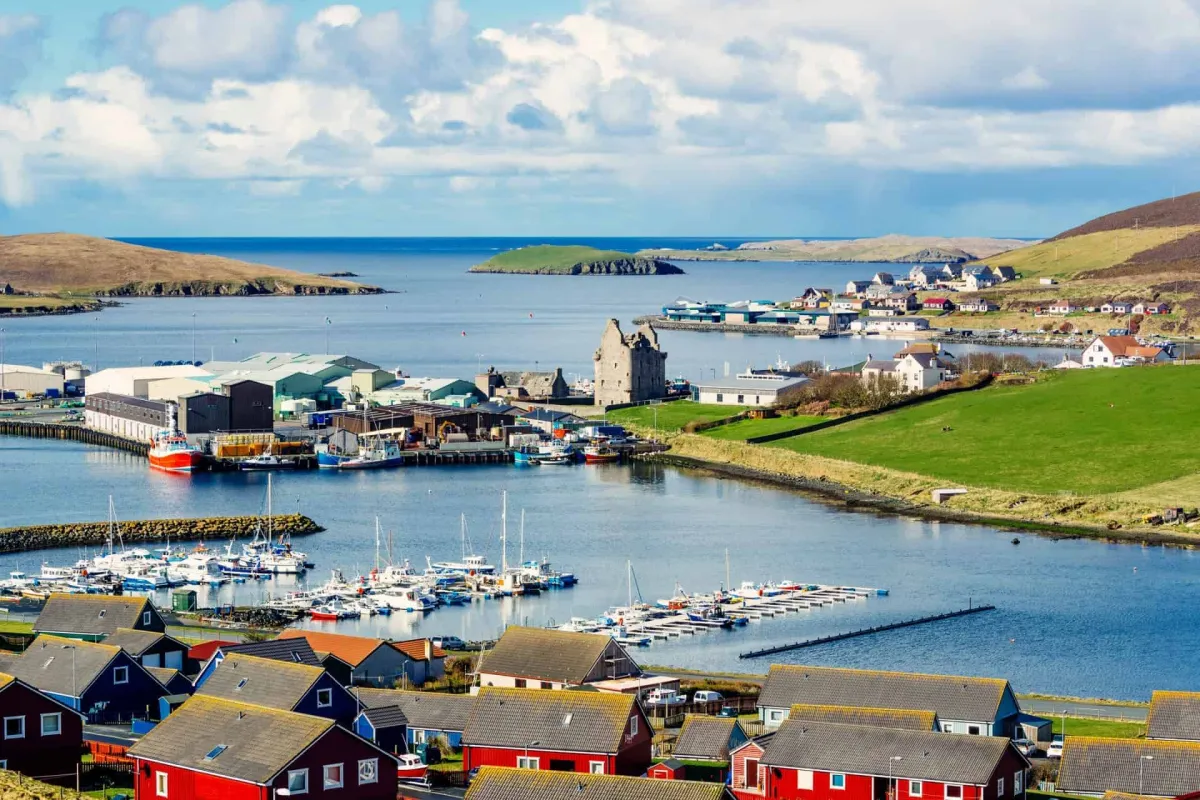 Photo: Shetland Islands, via cdn.odysseytraveller.com
Regional Dialects in Wax
The movement's geographical spread reveals distinct regional approaches to folkloric candlemaking. In the Scottish Borders, maker Duncan MacLeod sources beeswax from hives positioned near ancient stone circles, believing the proximity imbues his candles with what he calls "geological memory." His "Reiver's Rest" collection incorporates charcoal from medieval peel towers, whilst his "Selkie's Return" range features kelp harvested during specific tidal conditions.
"Scottish folklore is bound to landscape in ways that English traditions sometimes aren't," MacLeod observes. "Our stories emerge from the interaction between human settlement and an unforgiving environment. The candles need to reflect that harshness."
Contrast this with the approach of Cornish maker Morwenna Trevithick, whose workshop overlooks Mount's Bay. Trevithick's practice centres on the county's maritime mythology, incorporating sea salt crystallised during specific moon phases and driftwood ash from beaches where smugglers once operated. Her "Morgawr Rising" candles burn with a distinctive blue-green flame, achieved through the careful addition of copper-rich coastal minerals.
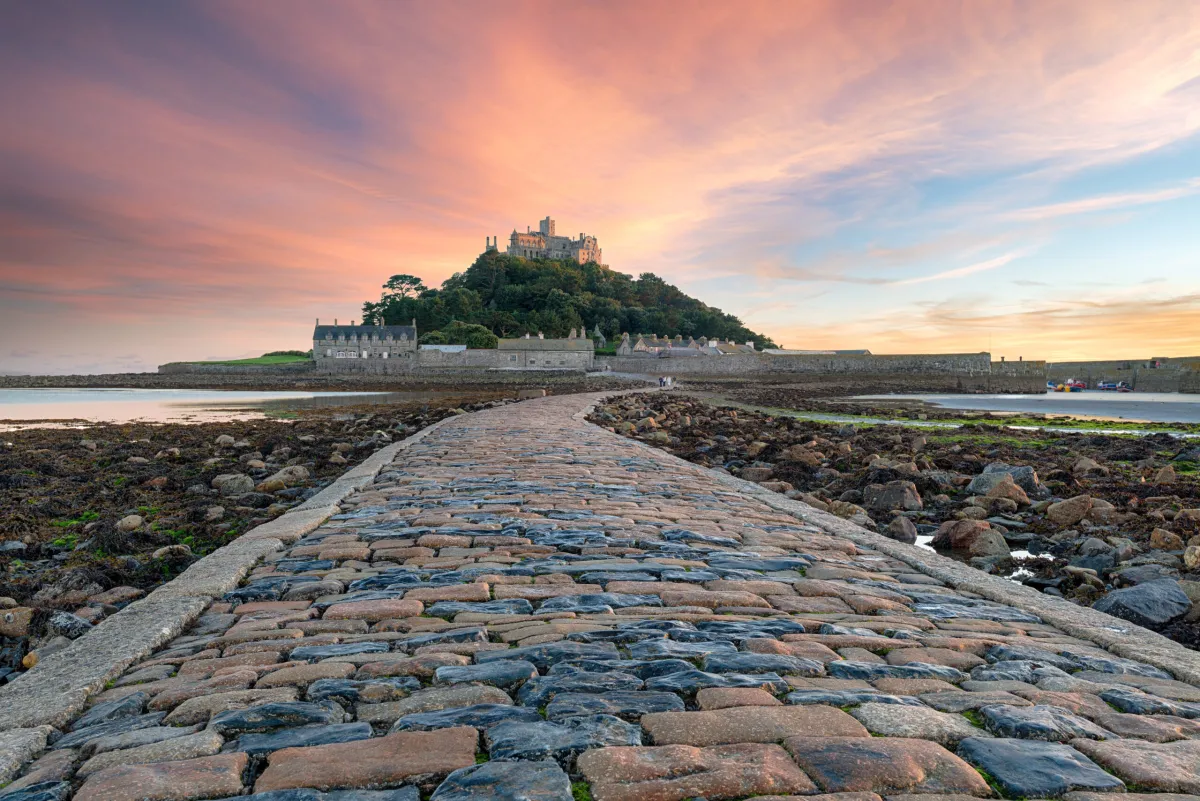 Photo: Mount's Bay, via cornish-escapes.com
"Cornwall's relationship with the sea is fundamental to our identity," she explains. "These candles carry the scent of rockpools and the memory of storms. They're not decorative objects—they're cultural artefacts."
The Politics of Scent
What distinguishes these makers from commercial candlemakers is their commitment to hyper-local sourcing and traditional techniques. Synthetic fragrances are rejected in favour of botanicals gathered according to folkloric calendars. The act of creation itself becomes ritualistic—wicks are often hand-twisted from linen grown on specific farms, whilst wax is coloured using traditional dyes extracted from local plants.
This insistence on authenticity carries implicit political weight. In an era of globalised production and cultural homogenisation, these candlemakers position themselves as guardians of regional distinctiveness. Their products resist mass production, requiring intimate knowledge of local ecosystems and seasonal rhythms.
"There's something subversive about insisting on local materials," suggests Dr. Emma Hartwell, a cultural anthropologist at the University of Edinburgh who studies contemporary craft movements. "These makers are asserting that place matters, that the specific characteristics of British regions have value worth preserving. In the context of Brexit and devolution debates, that's inherently political."
Teaching Through Flame
The educational dimension of folkloric candlemaking extends beyond the objects themselves. Many makers conduct workshops that function as informal seminars on regional history and ecological knowledge. Participants learn to identify local plants, understand seasonal cycles, and connect contemporary practice to historical precedent.
In Wales, maker Cerys Davies runs "Canhwyllau Cymru" workshops where participants create candles whilst learning traditional Welsh songs and stories. "The making process slows people down," she explains. "They have time to absorb information about their cultural heritage whilst their hands are busy. It's embodied learning."
Davies's approach reflects the movement's broader pedagogical ambitions. These makers position themselves as cultural educators, using craft as a vehicle for transmitting knowledge that formal education systems often overlook.
The Future of Flame
As the folkloric candlemaking movement gains momentum, questions emerge about sustainability and scalability. Can hyper-local production methods meet growing demand whilst maintaining authenticity? How do makers balance commercial viability with cultural responsibility?
Some practitioners are experimenting with collaborative models, forming networks that share knowledge and resources whilst preserving regional distinctiveness. The "Folklore & Flame" collective, established in 2023, connects makers across Britain, facilitating workshops and promoting sustainable harvesting practices.
"We're not trying to create a uniform aesthetic," explains collective coordinator James Pemberton. "Each region maintains its own character, but we share technical knowledge and ethical frameworks. The goal is to ensure these traditions survive and evolve."
As Britain grapples with questions of identity and belonging, these flame keepers offer an alternative model of cultural engagement—one that prioritises depth over breadth, locality over universality. In their workshops and studios, the ancient human relationship with fire continues to illuminate pathways to understanding place, memory, and meaning.
Their candles burn not merely as sources of light, but as beacons of cultural continuity in an uncertain world.