The Resurrection of Strings
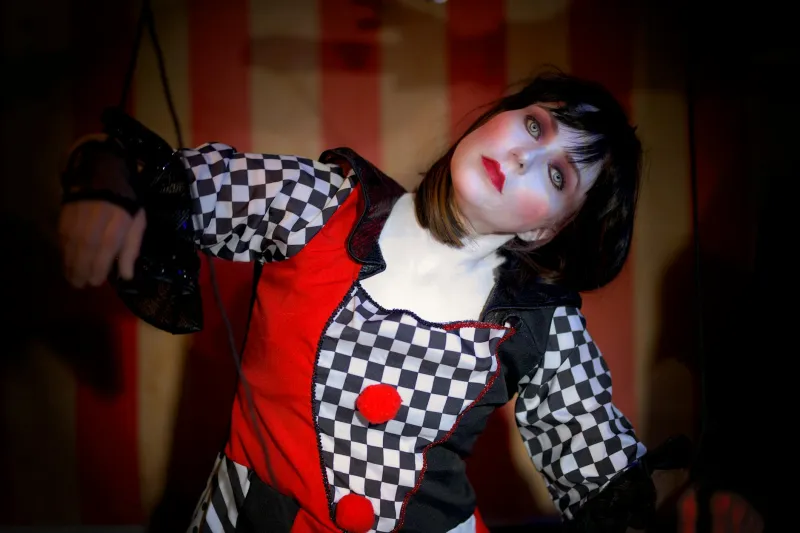
In the basement of a former textile factory in Manchester's Northern Quarter, Amara Okafor manipulates a life-sized marionette whose wooden limbs jerk and contort in unnaturally human gestures. The puppet's face, carved from reclaimed oak, bears the haunted expression of someone caught between agency and subjugation. Above, nearly invisible fishing line connects puppet to puppeteer, creating a visual metaphor that cuts straight to the heart of contemporary British anxieties about control, autonomy, and power.
"Puppetry has always been political," Okafor insists, her hands dancing across the control bar with practised precision. "What's changed is our willingness to acknowledge that politics. We're not hiding behind children's entertainment anymore."
Okafor represents the vanguard of Britain's puppet underground—a loose network of artists, collectives, and experimenters who are dragging marionettes, shadow puppets, and hand-operated figures into spaces where they've rarely ventured: adult theatres, gallery installations, and site-specific performances that tackle migration, class warfare, and institutional collapse.
Beyond the Punch and Judy Paradigm
Traditionally, British puppetry has occupied a narrow cultural niche, relegated to seaside entertainment and children's television. The form's association with whimsy and nostalgia has obscured its radical potential—something the current generation of practitioners is determined to reclaim.
"Puppetry allows you to address subjects that would be unbearable with human actors," explains Marcus Chen, whose London-based collective "Hollow Bodies" creates large-scale puppet performances in abandoned buildings. "You can explore grief, trauma, systemic violence through these intermediary figures. The audience's emotional defences are lowered because they're watching objects, not people."
Chen's most recent work, "Eviction Notice," transforms a derelict council estate into a performance space where giant puppets enact the housing crisis. Audience members move through empty flats whilst marionettes representing landlords, tenants, and property developers play out scenarios of displacement and gentrification.
"The puppets become vessels for collective anxiety," Chen observes. "They can express rage and desperation without the psychological cost that human performers would bear."
The Metaphysics of Control
The current political climate has given puppetry new resonance. In an era defined by questions about who pulls the strings—whether in Westminster, corporate boardrooms, or social media algorithms—the art form's central metaphor feels urgently relevant.
This thematic richness hasn't escaped academic attention. Dr. Rebecca Singh, who studies contemporary performance at King's College London, argues that puppetry offers unique insights into power dynamics.
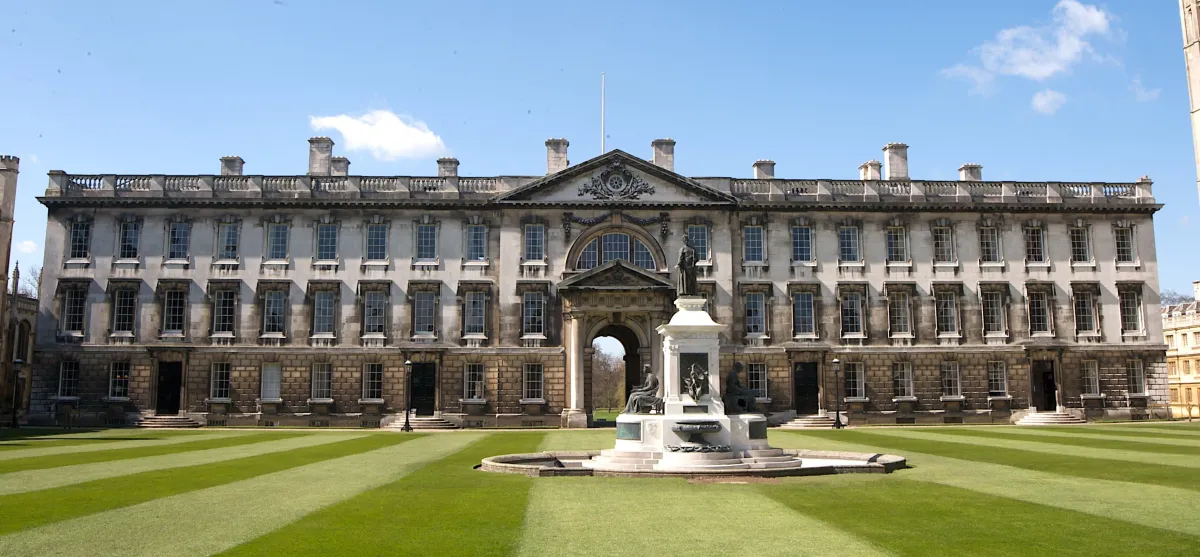 Photo: King's College London, via image-static.collegedunia.com
"The relationship between puppeteer and puppet mirrors contemporary anxieties about agency and manipulation," she suggests. "These artists are using that inherent tension to examine how power operates in British society."
The metaphor extends beyond individual control to encompass broader systemic questions. Several collectives are exploring how puppet shows can illuminate the invisible forces that shape British life—from economic policy to media manipulation.
Regional Networks and Shared Resistance
Across Britain, puppet collectives are emerging in unexpected locations, often occupying spaces abandoned by mainstream cultural institutions. In Glasgow, the "String Theory" collective operates from a former print works, creating shadow puppet performances that address Scotland's industrial decline. Their work "Foundry Ghosts" uses silhouettes to tell stories of deindustrialisation, with shadows representing both lost jobs and persistent memories.
Meanwhile, in Bristol, the "Marionette Uprising" group has established residency in a disused church, where they create puppet operas that blend traditional techniques with electronic music and video projection. Their aesthetic deliberately contrasts handcrafted figures with digital environments, highlighting tensions between artisanal culture and technological change.
"We're not trying to preserve puppetry in amber," explains collective member Zara Williams. "These techniques need to evolve to remain relevant. We're interested in hybrid forms that speak to contemporary experience."
The Intimacy of Manipulation
What distinguishes Britain's puppet underground from mainstream theatre is its embrace of intimacy and imperfection. Many performances occur in small venues where audiences can observe the manipulation process, making the artifice visible rather than concealing it.
This transparency serves multiple functions. Practically, it reduces production costs and venue requirements. Aesthetically, it creates a distinctive viewing experience that emphasises craft and skill. Politically, it demystifies the performance process, revealing how illusions are constructed.
"We want people to see the strings," explains Birmingham-based puppeteer David Ashworth, whose solo performances feature elaborate marionettes that he manipulates in full view of the audience. "The magic isn't in hiding the technique—it's in the skill required to make dead materials appear alive."
Ashworth's work often addresses themes of disability and embodiment, using puppetry to explore questions about physical autonomy and social expectations. His piece "Broken Mechanisms" features marionettes with deliberately malfunctioning joints, creating movement patterns that challenge normative assumptions about bodily capability.
Training the Next Generation
As interest in political puppetry grows, questions arise about preservation and transmission of skills. Unlike other performance disciplines, puppetry lacks extensive institutional support in Britain. Most practitioners are self-taught or learn through informal apprenticeships.
Several collectives are addressing this gap by establishing workshops and residency programmes. The "Puppet Liberation Front," based in Leeds, runs intensive courses that combine traditional marionette construction with contemporary performance theory.
"We're creating an alternative education system," explains co-founder Lisa Patel. "Universities aren't teaching these skills, so we have to do it ourselves. It's part of the broader project of cultural resistance."
Future Strings
As Britain's puppet underground continues to evolve, practitioners are experimenting with new technologies and collaborative models. Some groups are incorporating motion capture and digital projection, whilst others are exploring international connections with puppet traditions from other cultures.
Yet despite technological innovations, the movement's core appeal remains rooted in handcraft and direct manipulation. In an increasingly digital world, the physical presence of wooden figures and visible strings offers something that virtual entertainment cannot replicate.
"There's something profound about watching someone bring an object to life through pure skill," Okafor reflects, adjusting the strings of her marionette. "It reminds us that transformation is possible, that with enough care and attention, even the most lifeless materials can dance."
In Britain's cultural landscape, these string-pullers are proving that some of the most urgent contemporary commentary emerges not from grand stages, but from basements and abandoned spaces where ancient arts find new voices.