The Democracy of Decoration
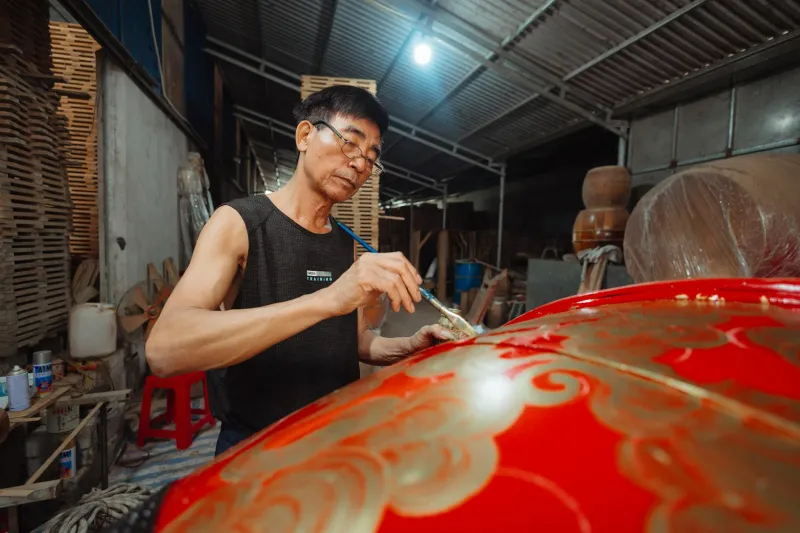
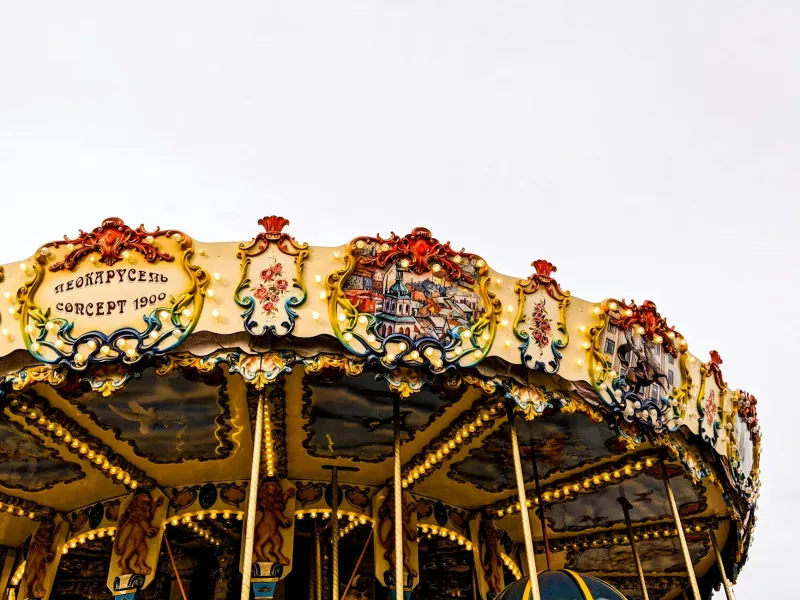
In a converted railway arch beneath London's Elephant and Castle, Danny Morrison runs his fingers across a hand-painted fairground organ facade, its gilt scrollwork catching the afternoon light streaming through grimy windows. The piece, destined for a restored 1920s carousel, represents more than mere restoration—it embodies a cultural lineage that stretches from medieval illuminated manuscripts through to the Instagram feeds of contemporary graphic designers.
 Photo: Danny Morrison, via www.dannymorrison.com
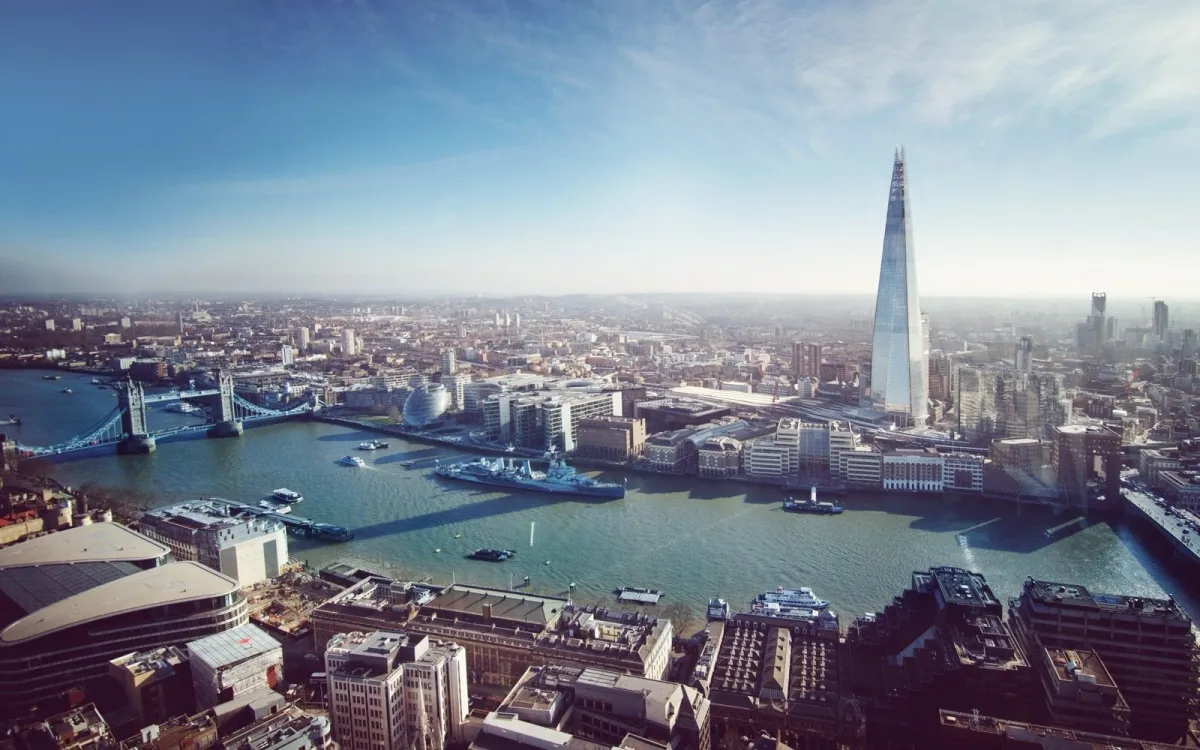 Photo: Elephant and Castle, via mr0.homeflow-assets.co.uk
"People think fairground art is kitsch," Morrison explains, mixing vermillion with a practiced hand. "But this is the visual language of celebration itself. When working people had nothing, they still demanded beauty."
Morrison belongs to a small but fervent community of artists who have dedicated themselves to preserving and reimagining the ornate aesthetic vocabulary of Britain's travelling showmen. Their work extends far beyond the restoration of vintage carousels and ghost trains—they are actively translating this distinctly working-class visual heritage into contemporary contexts, from craft brewery signage to high-end tattoo work.
The Travelling Aesthetic Underground
The fairground tradition emerged from necessity and defiance in equal measure. When Britain's travelling showmen were marginalised by settled society, they responded by creating a visual language of unprecedented richness—elaborate lettering that shouted across muddy fields, gilt work that caught torchlight, and imagery that promised transformation and escape.
This aesthetic rebellion has found unexpected champions in contemporary Britain's creative underground. Tattoo artist Sarah Chen, whose East London studio specialises in fairground-inspired body art, describes the style as "punk before punk existed—working-class people refusing to accept that beauty belonged only to the wealthy."
 Photo: Sarah Chen, via yt3.googleusercontent.com
Chen's appointment books are filled with clients seeking elaborate script work and ornamental borders that echo the painted wagons of travelling circuses. "There's something about fairground lettering that feels honest," she explains. "It's decorative without being precious, bold without being aggressive. It's celebration as resistance."
The New Scribes
Across Britain, a network of artists is adapting fairground techniques for contemporary applications. In Manchester, sign painter Tom Bradley has built a thriving business creating hand-lettered shopfronts that consciously evoke the travelling fair aesthetic. His clients include independent bookshops, artisanal food producers, and craft breweries—businesses that recognise the cultural weight carried by hand-painted lettering.
"Digital typography can't replicate the slight imperfections that make fairground lettering alive," Bradley explains, demonstrating the traditional technique of outlining letters with a sword liner brush. "Each stroke carries the maker's presence. In an age of algorithmic design, that human touch feels revolutionary."
The techniques themselves remain largely unchanged from those developed by nineteenth-century fairground artists. Bradley and his contemporaries still use traditional coach painter's brushes, sign writer's enamel, and gold leaf application methods passed down through generations of travelling showmen.
Memory as Material
What distinguishes this revival from mere nostalgia is its creators' understanding of fairground art as a living tradition rather than a museum piece. Graphic designer Maria Santos, whose studio in Brighton specialises in event branding inspired by fairground aesthetics, argues that the style's contemporary relevance lies in its fundamental optimism.
"Fairground art was designed to sell dreams to people who had precious little reason for hope," Santos explains, surrounded by sketches for a music festival identity system. "That combination of accessibility and aspiration feels incredibly relevant when so much contemporary design feels either cynical or exclusive."
Santos's work for festivals, markets, and community events consciously draws on fairground traditions while incorporating contemporary concerns. Her recent project for a climate activism event featured traditional fairground lettering spelling out environmental slogans, creating what she describes as "a visual bridge between working-class celebration and progressive politics."
The Politics of Painted Joy
The revival of fairground aesthetics carries implicit political weight in contemporary Britain. As gentrification transforms working-class communities and digital culture homogenises visual experience, the preservation of this distinctly proletarian art form becomes an act of cultural resistance.
This political dimension is not lost on the artists themselves. Morrison, whose restoration work helps maintain the few remaining traditional fairgrounds, sees his practice as preserving more than visual techniques—he's maintaining a form of cultural memory that challenges contemporary assumptions about taste, class, and artistic value.
"Fairground art was made by working people for working people," he reflects. "It proved that communities could create their own beauty, their own standards of magnificence. That's a dangerous idea in any era."
Beyond the Big Top
The influence of Britain's fairground revival extends into unexpected territories. Fashion designers have incorporated fairground motifs into luxury collections, while contemporary artists reference travelling show aesthetics in gallery installations. This crossover success speaks to the enduring power of an aesthetic vocabulary that refuses to acknowledge boundaries between high and low culture.
Yet the most significant impact may be found in the repair cafés, community workshops, and maker spaces where fairground painting techniques are taught to new generations. These informal educational networks ensure that the knowledge base supporting this tradition continues to expand rather than contract.
As Morrison applies the final touches to his carousel restoration, the afternoon light transforms his workshop into something approaching a medieval scriptorium—a space where ancient craft knowledge meets contemporary cultural needs. In his careful brushstrokes, centuries of working-class aesthetic ambition find their latest expression, proving that some forms of beauty refuse to be relegated to history.
The gilded ghosts of Britain's fairgrounds live on, not as museum pieces but as active participants in the ongoing creation of folk memory, painted one careful letter at a time.